

Will Green Tea Extract Make Me Jittery?
Will Green Tea Extract Make Me Jittery?
标签arcclick报错:缺少属性 aid 值。
Content Menu
● Introduction to Green Tea Extract
>> Caffeine Content in Green Tea Extract
● Factors Influencing Jitteriness
● Physiological Responses to Green Tea
● Green Tea Extract Side Effects
● Managing Jitteriness from Green Tea Extract
● Benefits of Green Tea Extract Beyond Caffeine
>> 1. What is the typical caffeine content in green tea extract?
>> 2. Can L-theanine in green tea reduce jitteriness?
>> 3. How does green tea extract interact with medications?
>> 4. Can green tea extract improve mental performance?
>> 5. What are common side effects of green tea extract?
Green tea extract has gained popularity for its potential health benefits, including weight loss and antioxidant properties. However, one common concern is whether it can cause jitteriness, similar to other caffeinated beverages. In this article, we will delve into the components of green tea extract, its caffeine content, and how it might affect individuals differently.

Introduction to Green Tea Extract
Green tea extract is derived from the leaves of the Camellia sinensis plant, similar to brewed green tea. It is rich in catechins, particularly epigallocatechin gallate (EGCG), which are believed to contribute to its health benefits. Unlike brewed tea, extracts can be more concentrated, potentially leading to higher caffeine intake if not carefully managed.
Caffeine Content in Green Tea Extract
The caffeine content in green tea extract varies widely depending on the brand and formulation. While a typical cup of brewed green tea contains about 25 to 40 mg of caffeine, green tea extracts can range from a few milligrams to hundreds of milligrams per serving. This variability is crucial when considering potential jitteriness.
Caffeine Comparison: Green Tea vs Coffee
| Beverage | Caffeine Content per Cup |
|---|---|
| Brewed Green Tea | 25-40 mg |
| Brewed Coffee | 95-165 mg |
Factors Influencing Jitteriness
Several factors can influence whether green tea extract makes you feel jittery:
1. Caffeine Sensitivity: Some individuals are more sensitive to caffeine, which can lead to jitteriness even at low doses.
2. L-Theanine Content: Green tea contains L-theanine, an amino acid that can smooth out the effects of caffeine, potentially reducing jitteriness.
3. Interactions with Medications: Certain medications, such as disulfiram or estrogens, can increase caffeine's effects, leading to heightened sensitivity.
4. Individual Tolerance: Regular consumption of caffeinated beverages can build tolerance, reducing the likelihood of jitteriness.
5. Dietary Factors: Consuming green tea extract on an empty stomach may increase absorption rates and exacerbate side effects.
Physiological Responses to Green Tea
Research has shown that green tea can have positive effects on mental task performance and stress reduction. A study involving healthy young men found that consuming green tea during mental tasks improved performance and reduced physiological stress responses.
Green Tea Extract Side Effects
While generally safe, green tea extract can cause side effects in some individuals, particularly when consumed in high doses. These include:
- Jitteriness and Anxiety: Due to caffeine content.
- Digestive Issues: Some people may experience nausea or stomach upset.
- Interactions with Medications: As mentioned earlier, certain medications can increase caffeine's effects.
- Sleep Disturbances: High caffeine intake can disrupt sleep patterns.
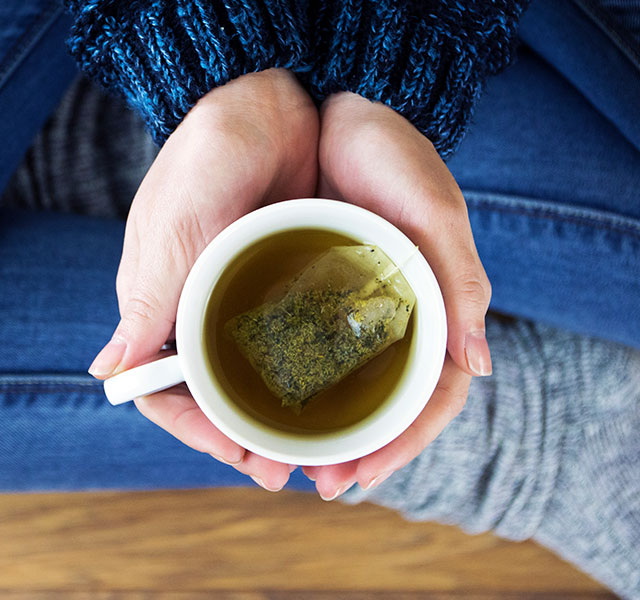
Managing Jitteriness from Green Tea Extract
If you experience jitteriness from green tea extract, consider the following strategies:
1. Reduce Dosage: Start with a lower dose to assess sensitivity.
2. Combine with Food: Consuming green tea extract with meals can reduce absorption rate and minimize side effects.
3. Choose Low-Caffeine Options: Opt for extracts with minimal caffeine content if available.
4. Monitor Caffeine Intake: Be aware of total caffeine intake from all sources to avoid exceeding recommended daily limits.
Benefits of Green Tea Extract Beyond Caffeine
Beyond its potential to cause jitteriness, green tea extract offers several health benefits:
- Antioxidant Properties: Rich in catechins, which can help protect against oxidative stress.
- Weight Loss Support: May aid in weight loss by enhancing metabolism and fat burning.
- Cardiovascular Health: Studies suggest that regular consumption of green tea may reduce the risk of cardiovascular diseases.
Conclusion
Green tea extract can potentially cause jitteriness due to its caffeine content, but this effect varies widely among individuals. Factors such as caffeine sensitivity, L-theanine content, and interactions with medications play significant roles. By understanding these factors and managing intake, individuals can minimize the risk of jitteriness while benefiting from the health advantages of green tea extract.
Frequently Asked Questions
1. What is the typical caffeine content in green tea extract?
The caffeine content in green tea extract varies widely, ranging from a few milligrams to hundreds of milligrams per serving, depending on the brand and formulation.
2. Can L-theanine in green tea reduce jitteriness?
Yes, L-theanine is known to smooth out the effects of caffeine, potentially reducing jitteriness and promoting a sense of calm.
3. How does green tea extract interact with medications?
Certain medications like disulfiram or estrogens can increase the effects of caffeine in green tea extract, leading to heightened sensitivity and potential jitteriness.
4. Can green tea extract improve mental performance?
Research suggests that green tea can enhance mental task performance and reduce stress, likely due to its combination of caffeine and L-theanine.
5. What are common side effects of green tea extract?
Common side effects include jitteriness, anxiety, digestive issues, and interactions with certain medications. These are generally more pronounced at high doses.
Citations:
[1] https://www.reddit.com/r/tea/comments/o8l57y/why_does_green_tea_make_me_jittery_in_a_way_that/
[2] https://www.livestrong.com/article/186702-how-much-caffeine-is-in-green-tea-extract/
[3] https://pmc.ncbi.nlm.nih.gov/articles/PMC11016062/
[4] https://www.webmd.com/vitamins/ai/ingredientmono-960/green-tea
[5] https://www.healthline.com/nutrition/10-benefits-of-green-tea-extract
[6] https://pmc.ncbi.nlm.nih.gov/articles/PMC5537891/
[7] https://www.reddit.com/r/tea/comments/1d497ch/green_tea_makes_me_feel_shakeyjitteryanxious/
[8] https://www.reddit.com/r/chemistry/comments/3gt1zo/how_much_caffeine_in_green_tea_extract/
[9] https://www.medicalnewstoday.com/articles/roasted-green-tea-a-japanese-staple-could-boost-cognitive-performance
[10] https://senchateabar.com/blogs/blog/green-tea-side-effects
[11] https://pubmed.ncbi.nlm.nih.gov/10584049/
