

What Are The Emerging Applications of Banaba Leaf Extract in Pharmaceuticals?
What Are The Emerging Applications of Banaba Leaf Extract in Pharmaceuticals?
标签arcclick报错:缺少属性 aid 值。
Content Menu
● Introduction to Banaba Leaf Extract
● Emerging Applications in Pharmaceuticals
>> 2. Weight Loss and Metabolic Health
>> 3. Anticancer and Antiviral Properties
● Future Directions and Challenges
● Potential for Combination Therapies
● Nutritional and Dietary Applications
● Cultural Significance and Traditional Use
● FAQ
>> 1. What are the primary active compounds in banaba leaf extract?
>> 2. How does banaba leaf extract help with diabetes management?
>> 3. Are there any known side effects of using banaba leaf extract?
>> 4. Can banaba leaf extract be used for weight loss?
>> 5. What are the potential anticancer effects of banaba leaf extract?
Banaba leaf extract, derived from the Lagerstroemia speciosa tree, has been used for centuries in traditional medicine, particularly in Southeast Asia, for its potential health benefits. Recent research has highlighted its emerging applications in pharmaceuticals, especially in managing diabetes and metabolic disorders. This article explores the current state of banaba leaf extract in pharmaceuticals, its benefits, and potential future applications.
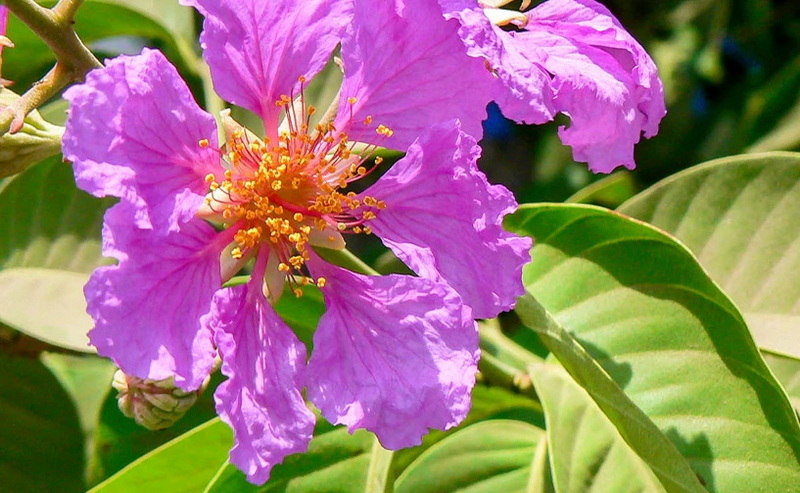
Introduction to Banaba Leaf Extract
Banaba leaf extract is rich in bioactive compounds such as corosolic acid and ellagitannins, which are attributed to its therapeutic properties. These compounds have been shown to lower blood sugar levels, enhance insulin sensitivity, and exhibit antioxidant and anti-inflammatory activities. The traditional use of banaba leaves in folk medicine has led to extensive scientific investigation into its pharmacological effects.
Emerging Applications in Pharmaceuticals
1. Diabetes Management
Banaba leaf extract has been extensively studied for its hypoglycemic effects. Corosolic acid, a key component, mimics insulin by facilitating glucose uptake into cells, thereby reducing blood sugar levels. Clinical trials have shown promising results in lowering fasting blood glucose and improving insulin sensitivity in individuals with type 2 diabetes. This makes it a potential adjunct therapy for managing diabetes, particularly in regions where access to conventional medications is limited.
2. Weight Loss and Metabolic Health
Banaba leaf extract is also used in weight loss supplements due to its potential in regulating appetite and preventing fat accumulation. Its role in enhancing metabolic health makes it a promising ingredient for addressing metabolic syndrome, a cluster of conditions that increase the risk of developing type 2 diabetes and cardiovascular disease.
3. Anticancer and Antiviral Properties
Preliminary studies suggest that banaba leaf extract may have anticancer effects by promoting programmed cell death in certain cancer cells. Additionally, it shows potential antiviral properties against common viruses like the human rhinovirus. These findings are promising but require further investigation to fully understand its potential in cancer and viral treatments.
4. Cardiovascular Health
Banaba leaf extract may help dissolve blood clots, which are a risk factor for high blood pressure and stroke, suggesting a role in cardiovascular health. Its antioxidant properties can also help reduce inflammation in the cardiovascular system, potentially lowering the risk of heart disease.
5. Kidney Protection
The antioxidants in banaba leaf extract may offer protective benefits for the kidneys, particularly against damage induced by chemotherapy drugs. This protective effect could be crucial in reducing the side effects of cancer treatments.

Future Directions and Challenges
While banaba leaf extract shows promise in various therapeutic areas, there are challenges to its widespread adoption. These include the need for more rigorous clinical trials to establish efficacy and safety, as well as standardization of extracts to ensure consistent bioactive compound content. Additionally, regulatory frameworks may vary across countries, affecting its availability as a pharmaceutical ingredient.
Potential for Combination Therapies
Banaba leaf extract could be explored as part of combination therapies, where it is used alongside conventional medications to enhance their efficacy or reduce side effects. This approach could be particularly beneficial in managing complex conditions like diabetes and metabolic syndrome.
Nutritional and Dietary Applications
Beyond pharmaceuticals, banaba leaf extract is also being explored in nutritional supplements and functional foods. Its inclusion in dietary products could provide consumers with a natural option for maintaining metabolic health and supporting overall wellness.
Cultural Significance and Traditional Use
Banaba leaves have been part of traditional medicine for centuries, particularly in Southeast Asia. Understanding its cultural significance can provide insights into its potential acceptance and integration into modern healthcare systems.
Conclusion
Banaba leaf extract is emerging as a valuable component in pharmaceuticals, particularly for managing diabetes and metabolic disorders. Its potential applications extend to weight loss, anticancer and antiviral effects, cardiovascular health, and kidney protection. While promising, further clinical trials are necessary to fully establish its efficacy and safety for widespread use.
FAQ
1. What are the primary active compounds in banaba leaf extract?
The primary active compounds in banaba leaf extract are corosolic acid and ellagitannins, which contribute to its therapeutic properties.
2. How does banaba leaf extract help with diabetes management?
Banaba leaf extract helps manage diabetes by facilitating glucose uptake into cells, thereby lowering blood sugar levels and improving insulin sensitivity.
3. Are there any known side effects of using banaba leaf extract?
Banaba leaf extract is generally considered safe for short-term use, but long-term safety is not well-documented. Common side effects include loose stools.
4. Can banaba leaf extract be used for weight loss?
Yes, banaba leaf extract is used in weight loss supplements due to its potential in regulating appetite and enhancing metabolic health.
5. What are the potential anticancer effects of banaba leaf extract?
Preliminary studies suggest that banaba leaf extract may promote programmed cell death in certain cancer cells, indicating potential anticancer effects.
Citations:
[1] https://www.drugs.com/npp/banaba.html
[2] https://naturmedscientific.com/banaba-leaf/
[3] https://huggingface.co/openbmb/VisCPM-Chat/raw/main/vocab.txt
[4] https://www.healthline.com/nutrition/banaba-leaf
[5] https://www.rxlist.com/supplements/banaba.htm
[6] https://www.rialpharma.it/en/banaba-leaf/
[7] https://www.verywellfit.com/the-benefits-of-banaba-89413
[8] https://pubmed.ncbi.nlm.nih.gov/22095937/
[9] https://patents.google.com/patent/JPH05310587A/en
[10] https://pmc.ncbi.nlm.nih.gov/articles/PMC3468018/
