

Top Natural Sweeteners Manufacturers in Russia
Top Natural Sweeteners Manufacturers in Russia
标签arcclick报错:缺少属性 aid 值。
Content Menu
● Introduction to Natural Sweeteners in Russia
● Overview of the Russian Natural Sweeteners Market
● Leading Natural Sweeteners Manufacturers in Russia
>> 2. Domestic Russian Manufacturers
>> 3. International Players Operating in Russia
● Popular Types of Natural Sweeteners Manufactured in Russia
>> Stevia
>> Honey
>> Sugar Alcohols (Xylitol, Erythritol)
>> Emerging Natural Sweeteners
● Manufacturing Processes and Quality Control
● Market Trends and Consumer Preferences
>> Sugar Reduction Initiatives
>> Sustainability and Ethical Sourcing
● Applications of Natural Sweeteners in Russian Food Industry
● FAQ
>> 1. What are the main types of natural sweeteners produced in Russia?
>> 2. Which companies are leading natural sweetener manufacturers in Russia?
>> 3. How is stevia processed into a natural sweetener powder?
>> 4. What drives the growth of natural sweeteners in the Russian market?
>> 5. Are Russian natural sweetener manufacturers compliant with international quality standards?
The demand for natural sweeteners is rapidly growing worldwide, driven by increasing health consciousness, rising diabetes prevalence, and the desire for clean-label, low-calorie alternatives to traditional sugar. Russia, as a significant food market, is witnessing a dynamic shift in its sweetener industry with a growing focus on natural sweeteners such as stevia, monk fruit, honey, and other plant-based extracts. This article explores the top natural sweeteners manufacturers in Russia, their production capabilities, market trends, and the future outlook of this vibrant sector.
Introduction to Natural Sweeteners in Russia
Natural sweeteners are substances derived from plants or natural sources that provide sweetness without the negative health impacts associated with refined sugar. They include stevia, monk fruit extract, honey, coconut sugar, and sugar alcohols like xylitol. These sweeteners offer low or zero calories, have a lower glycemic index, and are often preferred by consumers seeking healthier lifestyles.
In Russia, the sweetener market is evolving with a notable increase in the consumption of natural sweeteners due to government regulations aimed at reducing sugar intake and growing consumer awareness about health and wellness.
Overview of the Russian Natural Sweeteners Market
Market Size and Growth
The Russian sweeteners market is projected to reach revenues of approximately US$2.42 billion by 2025, growing at a compound annual growth rate (CAGR) of around 9.3% from 2025 to 2030. Natural sweeteners are gaining significant traction as consumers prefer products with clean labels and natural ingredients. The market is segmented into sucrose (common sugar), starch sweeteners, sugar alcohols, and high-intensity sweeteners (HIS) like stevia and monk fruit.
Key Market Drivers
Several factors are driving the growth of natural sweeteners in Russia:
- Increased health consciousness and preference for low-calorie, natural alternatives.
- Rising diabetes and obesity rates prompting demand for sugar substitutes.
- Government initiatives and regulations to reduce sugar consumption in food and beverages.
- Innovation in natural sweetener products, especially stevia-derived extracts.
Leading Natural Sweeteners Manufacturers in Russia
1. Stellar Exports
Stellar Exports is a prominent stevia powder manufacturer and exporter serving the Russian market. Based in the UAE, the company supplies superior-quality stevia powder produced from premium stevia leaves. Their extraction process ensures high purity and natural sweetness without additives or artificial fillers. Stellar Exports holds certifications such as FSSC, Halal, and Kosher, emphasizing their commitment to quality and safety.
- Their stevia powder is gluten-free and vegan-friendly, catering to diverse dietary needs.
- Advanced extraction techniques preserve the nutritional integrity of the stevia leaves.
- Stellar Exports serves brand owners, wholesalers, and manufacturers looking for reliable OEM natural sweetener solutions.
2. Domestic Russian Manufacturers
Several Russian companies focus on producing sugar substitutes and natural sweeteners aligned with modern quality and safety standards. These manufacturers emphasize:
- Compliance with HACCP and Technical Regulations of the Customs Union.
- Use of accredited laboratories for raw material and finished product testing.
- Ecological compatibility and food safety management systems.
- Reliable supply logistics using sea, rail, and road transport to ensure timely delivery.
- Offering a range of sugar substitutes that allow consumers to reduce sugar intake without sacrificing sweetness.
These domestic producers are increasingly investing in research and development to improve the taste profile and stability of natural sweeteners, making them more appealing for various food and beverage applications.
3. International Players Operating in Russia
Major global companies with a presence in Russia's food sweetener market include:
- Cargill Inc
- Tate & Lyle PLC
- Archer Daniels Midland Company
- DuPont
- JK Sucralose Inc
These companies are innovating especially in the stevia-derived product segment to meet the rising demand for non-caloric natural sweeteners. They provide a variety of natural sweetener blends that balance taste, stability, and cost-effectiveness.
Popular Types of Natural Sweeteners Manufactured in Russia
Stevia
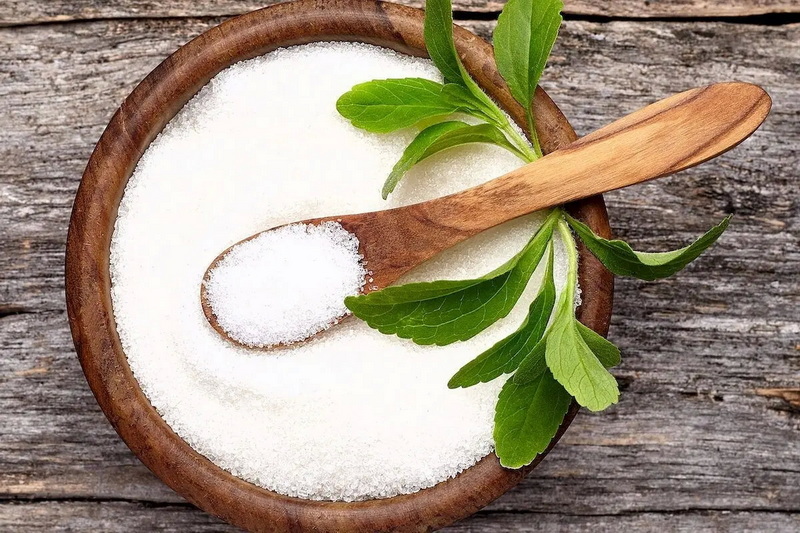
Stevia is the most prominent natural sweetener gaining popularity in Russia. Extracted from the leaves of the Stevia rebaudiana plant, it offers zero calories and a sweetness level many times that of sugar. Russian manufacturers like Stellar Exports produce high-quality stevia powder using advanced drying and extraction methods to retain natural sweetness and purity.
Stevia's versatility allows it to be used in beverages, baked goods, dairy products, and dietary supplements. Manufacturers are also developing stevia blends with other natural sweeteners to mask any bitter aftertaste and improve consumer acceptance.
Monk Fruit Extract
Monk fruit, or luo han guo, is a natural sweetener derived from a fruit native to Southeast Asia. It is 150-200 times sweeter than sugar and contains zero calories. Its use in Russia is increasing, especially in clean-label products and dietary supplements.
Monk fruit extract is prized for its clean sweetness and lack of bitter aftertaste, making it an excellent choice for beverages and confectionery. Russian manufacturers are exploring partnerships with international suppliers to incorporate monk fruit into their product lines.
Honey
Honey remains a natural sweetener favored for its clean-label appeal and versatility. Russian producers ensure honey quality through careful harvesting and minimal processing, preserving its natural composition and flavor. Honey is widely used in dairy, bakery, beverages, and confectionery products.
The Russian honey industry benefits from the country's vast natural landscapes and diverse flora, allowing for unique honey varieties that appeal to both domestic and international markets.
Sugar Alcohols (Xylitol, Erythritol)
Sugar alcohols like xylitol and erythritol are used as low-calorie sweeteners with a clean and cool taste. They are common in sugar-free chewing gums, confectionery, and oral health products. Russian manufacturers produce and supply these sugar alcohols to meet growing consumer demand for healthier sweetener options.
These sugar alcohols have additional benefits such as dental health promotion and minimal impact on blood sugar levels, making them attractive in functional food formulations.
Emerging Natural Sweeteners
Besides the traditional natural sweeteners, Russian manufacturers are also exploring emerging options such as:
- Agave syrup: Known for its mild sweetness and low glycemic index.
- Coconut sugar: Valued for its caramel-like flavor and nutrient content.
- Maple syrup: Increasingly popular as a natural sweetener with antioxidants.
These sweeteners are gradually entering the Russian market, especially in premium and organic product segments.
Manufacturing Processes and Quality Control
Russian natural sweetener manufacturers adhere to stringent quality and safety standards. The production process typically involves:
- Sourcing high-quality raw materials from reliable suppliers.
- Using modern equipment and technology aligned with HACCP and food safety management systems.
- Conducting regular quality inspections in accredited laboratories.
- Maintaining optimal storage conditions to preserve product quality.
- Employing sustainable and environmentally friendly practices throughout the supply chain.
For example, stevia production includes harvesting mature leaves, drying, grinding, and extracting the sweet glycosides to produce a fine powder free from additives. Manufacturers also focus on minimizing environmental impact by optimizing water and energy use during extraction and processing.
Honey production involves careful beekeeping practices, ensuring bees are healthy and the honey is harvested at the right time to maintain its natural enzymes and antioxidants. Sugar alcohols are typically produced through hydrogenation or fermentation processes, followed by purification to achieve food-grade quality.
Market Trends and Consumer Preferences
Health and Wellness Focus
Russian consumers increasingly seek natural sweeteners as part of healthier diets and weight management strategies. The shift towards plant-based diets and functional foods is fueling demand for natural sugar alternatives that offer additional health benefits.
Clean Label Demand
There is a growing preference for sweeteners with minimal processing and no artificial ingredients. Consumers are scrutinizing ingredient lists and favoring products that clearly state “natural” or “organic” sweeteners.
Sugar Reduction Initiatives
Both consumers and regulators are pushing for reduced sugar content in processed foods and beverages. Russia has introduced guidelines encouraging manufacturers to lower sugar levels, which has accelerated the adoption of natural sweeteners.
Product Innovation
Manufacturers are developing blends of natural sweeteners to optimize taste, functionality, and cost. Combining stevia with erythritol or monk fruit extract, for example, helps mask bitterness and improve mouthfeel.
Regional Market Variations
Urban centers like Moscow and St. Petersburg show higher demand for premium natural sweeteners, while regions like Siberia still favor traditional sugars but are gradually adopting alternatives. This regional diversity influences manufacturers' marketing and distribution strategies.
Sustainability and Ethical Sourcing
Sustainability is becoming an important consideration, with manufacturers emphasizing ethical sourcing of raw materials and environmentally friendly production methods. This resonates with younger consumers who prioritize corporate social responsibility.
Applications of Natural Sweeteners in Russian Food Industry
Natural sweeteners are widely used across various food and beverage categories in Russia:
- Beverages: Soft drinks, flavored waters, teas, and functional drinks increasingly use stevia and monk fruit extracts.
- Bakery: Natural sweeteners replace sugar in cakes, cookies, and bread to reduce calories and appeal to health-conscious consumers.
- Dairy: Yogurts, kefir, and desserts utilize natural sweeteners to enhance flavor without added sugar.
- Confectionery: Sugar-free gums, chocolates, and candies benefit from sugar alcohols and stevia blends.
- Dietary Supplements: Natural sweeteners improve palatability in protein powders, vitamin formulations, and herbal extracts.
This broad application spectrum underscores the versatility and growing importance of natural sweeteners in Russia's food manufacturing sector.
Conclusion
The natural sweeteners manufacturing industry in Russia is experiencing robust growth fueled by increasing health awareness, regulatory support, and consumer demand for clean-label, low-calorie alternatives. Leading manufacturers, both domestic and international, are innovating to provide high-quality natural sweeteners such as stevia, monk fruit, honey, and sugar alcohols. These products are gaining popularity across various food and beverage applications, from bakery and confectionery to dairy and beverages. With ongoing advancements in production technology, quality control, and sustainability practices, Russia's natural sweetener market is well-positioned for continued expansion and innovation.

FAQ
1. What are the main types of natural sweeteners produced in Russia?
The main natural sweeteners include stevia, monk fruit extract, honey, and sugar alcohols like xylitol and erythritol.
2. Which companies are leading natural sweetener manufacturers in Russia?
Key players include Stellar Exports (stevia powder), several domestic manufacturers adhering to HACCP standards, and international companies like Cargill, Tate & Lyle, and DuPont operating in Russia.
3. How is stevia processed into a natural sweetener powder?
Stevia leaves are harvested, dried, ground, and then extracted to isolate sweet glycosides, which are purified into a fine powder free from additives.
4. What drives the growth of natural sweeteners in the Russian market?
Growth is driven by rising health consciousness, government sugar reduction policies, increasing diabetes prevalence, and consumer preference for natural, low-calorie sweeteners.
5. Are Russian natural sweetener manufacturers compliant with international quality standards?
Yes, many manufacturers follow HACCP, FSSC, Halal, and Kosher certifications, ensuring product safety, quality, and compliance with regulatory requirements.
