

Top Natural Sweeteners Manufacturers in France
Top Natural Sweeteners Manufacturers in France
标签arcclick报错:缺少属性 aid 值。
Content Menu
● Introduction to Natural Sweeteners in France
● Leading Natural Sweeteners Manufacturers in France
● Innovations and Sustainable Practices in French Natural Sweeteners Manufacturing
● Market Trends Driving Natural Sweeteners Demand in France
● Applications of Natural Sweeteners
● Expanding Market Insights and Consumer Preferences
● Research and Development in Natural Sweeteners
● Expanding Applications and Market Opportunities
● FAQ
>> 1. What are natural sweeteners, and how do they differ from artificial sweeteners?
>> 2. Which natural sweeteners are most popular in France?
>> 3. How do French manufacturers ensure the quality and sustainability of natural sweeteners?
>> 4. Can natural sweeteners be used in all types of food and beverage products?
>> 5. What are the health benefits of using natural sweeteners over traditional sugar?
The demand for natural sweeteners is rapidly increasing worldwide, and France stands out as a key player in this market. As consumers become more health-conscious and seek alternatives to traditional sugar, natural sweeteners have gained immense popularity. This article explores the top natural sweeteners manufacturers in France, their product offerings, and the innovations driving this sector. We will also discuss the benefits of natural sweeteners, the market trends, and provide a comprehensive FAQ section to answer common questions related to natural sweeteners manufacturing.
Introduction to Natural Sweeteners in France
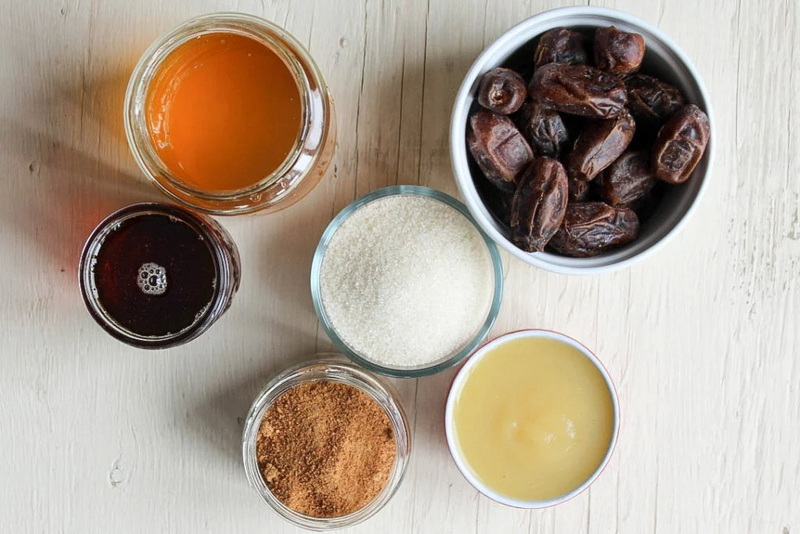
Natural sweeteners are derived from plant sources and offer a healthier alternative to conventional sugar. France's sweetener market is valued at over 2 billion USD in 2025, with an expected annual growth rate of 2.64% through 2030. This growth is fueled by increasing consumer awareness about the health risks of excessive sugar consumption and a rising preference for natural, low-calorie sweeteners such as stevia and monk fruit.
The French market is characterized by a strong commitment to quality and sustainability, with manufacturers focusing on natural extraction processes and traceable supply chains to meet consumer demands for transparency and health benefits.
Leading Natural Sweeteners Manufacturers in France
1. Tereos S.A.
Tereos is the largest sugar producer in France and the second largest globally. The company offers a diversified range of sweetening solutions, including crystallized sugar, beet sugar, cane sugar, glucose, fructose, dextrose, and polyols. Their products serve various industries such as dairy, confectionery, beverages, pharmaceuticals, and cosmetics.
Tereos specializes in sugar-derived products and has developed advanced processes to produce glucose syrups and fructose with a low glycemic index, making them suitable for health-conscious consumers. Their polyols, naturally occurring sugar alcohols, are industrially produced and widely used in food and pharmaceutical applications.
2. Cristalco (Stevial)
Cristalco is renowned for its Stevial range, a line of stevia-based natural sweeteners produced in France. Stevial offers zero-calorie sweetening solutions that are 300 to 400 times sweeter than sucrose. The stevia extracts are sourced from European stevia leaves and processed using a water-based, solvent-free method to ensure purity and sustainability.
The Stevial range caters to various applications, including low- or zero-calorie beverages, confectionery, table sweeteners, chocolates, and dairy products. The company emphasizes a short and efficient supply chain with integrated innovation laboratories to maintain high-quality standards.
3. Roquette Frères
Roquette Frères is a major player in the natural sweeteners sector, supplying ingredients such as maltitol and other polyols derived from natural starch sources. Their products are widely used in sugar reduction formulations, offering alternatives that maintain taste and texture while reducing caloric content.
4. Tate & Lyle
Though a multinational company, Tate & Lyle has a significant presence in France's natural sweeteners market. They focus on plant-based sweeteners like stevia and offer customized solutions for food and beverage manufacturers aiming to reduce sugar content without compromising flavor.
5. Cargill Incorporated
Cargill operates extensively in France, providing a range of natural sweeteners including stevia extracts and crystalline fructose. Their products are designed to meet the needs of diabetic and health-conscious consumers, offering low glycemic index options that are sweeter than traditional sugar.
Innovations and Sustainable Practices in French Natural Sweeteners Manufacturing
France's natural sweetener manufacturers are pioneering sustainable and clean extraction methods. For example, Stevial uses a water and ethanol-based extraction process for stevia that avoids chemical solvents and genetically modified organisms, ensuring a natural and eco-friendly product.
These companies also emphasize traceability and short supply chains, which reduce carbon footprints and guarantee consistent quality. This approach aligns with the growing consumer demand for transparency and sustainability in food production.

Market Trends Driving Natural Sweeteners Demand in France
- Health and Wellness Focus: Consumers increasingly prefer natural sweeteners like stevia and monk fruit due to their low-calorie content and minimal impact on blood sugar levels.
- Dietary Preferences: The rise of vegan, gluten-free, and diabetic-friendly diets fuels demand for alternative sweeteners that fit these lifestyles.
- Regulatory Environment: While artificial sweeteners like aspartame face scrutiny and calls for bans in France and Europe, natural sweeteners benefit from a favorable perception and regulatory support.
- Product Innovation: Manufacturers are developing customized sweetener blends and formulations to enhance taste and functionality in various food and beverage applications.
Applications of Natural Sweeteners
Natural sweeteners produced by French manufacturers are used in a wide range of products:
- Beverages (carbonated drinks, juices, teas)
- Confectionery (candies, gums, chocolates)
- Dairy products (yogurts, desserts)
- Baked goods
- Pharmaceuticals and nutraceuticals
- Cosmetics and personal care products
The versatility of these sweeteners allows manufacturers to cater to diverse consumer needs while reducing sugar content and calories.
Expanding Market Insights and Consumer Preferences
The French market for natural sweeteners is not only growing in size but also evolving in complexity. Consumers are becoming more discerning, seeking products that not only offer health benefits but also align with ethical and environmental values. This has led manufacturers to innovate in areas such as organic certification, fair trade sourcing, and biodegradable packaging.
Moreover, the demand for clean-label products is influencing the formulation of natural sweeteners. Manufacturers are focusing on minimizing additives and ensuring that their products are free from artificial preservatives and colors, which appeals to a broader segment of health-conscious consumers.
Research and Development in Natural Sweeteners
French companies are investing heavily in research and development to improve the taste profiles and functional properties of natural sweeteners. This includes blending different sweeteners to achieve a more sugar-like taste and reducing any aftertaste associated with some natural sweeteners like stevia.
Innovations also extend to enhancing the stability of sweeteners in various food matrices, ensuring that they maintain their sweetness and texture during processing and storage. This R&D focus helps manufacturers meet the diverse needs of food and beverage producers.
Expanding Applications and Market Opportunities
Beyond traditional food and beverage uses, natural sweeteners are finding new applications in emerging sectors such as plant-based foods and beverages, sports nutrition, and functional foods. These sectors value natural sweeteners for their clean-label appeal and health benefits.
The cosmetics industry is also exploring natural sweeteners for their moisturizing and antioxidant properties, integrating them into skincare and personal care products.
Conclusion
France is a leading hub for natural sweeteners manufacturing, driven by strong consumer demand for healthier, sustainable alternatives to sugar. Companies like Tereos, Cristalco, Roquette Frères, Tate & Lyle, and Cargill are at the forefront, offering a wide range of natural sweeteners including stevia, fructose, glucose, and polyols. Their commitment to innovation, quality, and sustainability ensures that France will continue to play a pivotal role in the global natural sweeteners market.
FAQ
1. What are natural sweeteners, and how do they differ from artificial sweeteners?
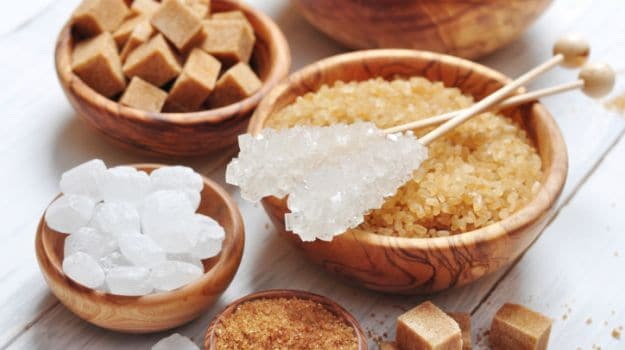
Natural sweeteners are derived from plant sources such as stevia, monk fruit, and sugar beet, providing sweetness without synthetic chemicals. Artificial sweeteners, like aspartame, are chemically synthesized and have faced health concerns and regulatory scrutiny in Europe.
2. Which natural sweeteners are most popular in France?
Stevia and monk fruit are among the most popular natural sweeteners in France due to their zero-calorie content and natural origin. Crystalline fructose and polyols are also widely used for their low glycemic index and functional properties.
3. How do French manufacturers ensure the quality and sustainability of natural sweeteners?
French manufacturers employ solvent-free, water-based extraction methods and maintain short, traceable supply chains. These practices reduce environmental impact and ensure consistent product quality throughout the year.
4. Can natural sweeteners be used in all types of food and beverage products?
Yes, natural sweeteners are versatile and can be formulated for use in beverages, confectionery, dairy, baked goods, pharmaceuticals, and cosmetics, meeting various taste and dietary requirements.
5. What are the health benefits of using natural sweeteners over traditional sugar?
Natural sweeteners typically have lower calories and glycemic indices, reducing the risk of blood sugar spikes and supporting weight management. They are also suitable for diabetic and health-conscious consumers seeking to reduce sugar intake.
