

Top Natural Food Colors Manufacturers and Suppliers in Winnipeg
Top Natural Food Colors Manufacturers and Suppliers in Winnipeg
标签arcclick报错:缺少属性 aid 值。
Content Menu
● The Rise of Natural Food Colors
>> The Shift Towards Natural Ingredients
● Why Choose Natural Food Colors?
>> Clean Labeling and Consumer Trust
>> Versatility and Functionality
● Overview of Winnipeg's Food Industry
● Leading Natural Food Colors Manufacturers and Suppliers in Winnipeg
>> Vivify
>> Oterra
>> ADM
>> EXBERRY®
● OEM Services: Unlocking Global Potential
● Key Natural Food Color Products and Applications
>> Popular Natural Food Color Sources
>> Applications Across Food Categories
● Innovation and Sustainability in Natural Food Colors
>> Advancements in Extraction and Stability
>> Sustainable Sourcing and Production
● Regulatory Considerations for Natural Food Colors
>> Compliance with International Standards
>> Clean Label and Allergen-Free Claims
● How to Select the Right Manufacturer or Supplier
● FAQ
>> 1. What are natural food colors, and how are they made?
>> 2. Why should food manufacturers use natural food colors instead of synthetic dyes?
>> 3. Can natural food colors be customized for specific product needs?
>> 4. Are natural food colors suitable for all types of food products?
>> 5. What should I consider when choosing a natural food colors manufacturer or supplier?
The food industry is experiencing a vibrant transformation as consumers and producers alike seek healthier, more natural alternatives to synthetic additives. Among these, natural food colors have become a cornerstone for food manufacturers, brands, and suppliers aiming to meet the growing demand for clean-label products. Winnipeg, a thriving hub in Canada's food and beverage sector, stands at the forefront of this movement, hosting a dynamic network of natural food colors manufacturers and suppliers. This article delves deep into the landscape of natural food colors in Winnipeg, exploring leading companies, industry trends, OEM opportunities, and the science behind these colorful innovations.
The Rise of Natural Food Colors
The Shift Towards Natural Ingredients
In recent years, there has been a significant shift in consumer preferences toward natural ingredients. This change is driven by increasing awareness of health, wellness, and the desire for transparency in food labeling. Synthetic dyes, once ubiquitous in processed foods, are being replaced by natural food colors derived from fruits, vegetables, herbs, and other plant sources.
Consumers today are more informed and cautious about what goes into their food. They demand products that not only taste good but also contribute positively to their health. This has pushed food manufacturers to reconsider their ingredient lists, leading to a surge in demand for natural food colors. These colors are not just additives; they are part of a broader movement toward holistic, sustainable, and health-conscious food production.
Global Market Trends
The global market for natural food colors is experiencing robust growth, with demand expected to rise steadily over the next decade. This trend is mirrored in Canada, where manufacturers and suppliers are investing in research and development to create innovative, stable, and vibrant natural color solutions for a wide range of food and beverage applications.
Advancements in technology have enabled the extraction of pigments that maintain color integrity even under challenging conditions such as heat, light, and pH variations. This has expanded the usability of natural food colors in processed foods, beverages, and nutraceuticals, further fueling market growth.
Why Choose Natural Food Colors?
Health and Wellness
Natural food colors offer a safer alternative to artificial dyes, which have been linked to various health concerns such as allergies and hyperactivity in children. Plant-based pigments not only enhance the visual appeal of food but also contribute nutritional benefits such as antioxidants, vitamins, and minerals. For example, anthocyanins from berries provide antioxidant properties, while carotenoids from carrots and turmeric offer anti-inflammatory benefits.
Clean Labeling and Consumer Trust
Consumers are increasingly scrutinizing ingredient lists, seeking products free from artificial additives. Natural food colors allow brands to meet clean-label requirements, fostering trust and loyalty among health-conscious buyers. Clean labels have become a key marketing advantage, as transparency in ingredients resonates strongly with modern consumers.
Versatility and Functionality
Modern natural food colors manufacturers and suppliers offer a broad spectrum of shades and formats, from powders to liquids and concentrates, suitable for bakery, confectionery, dairy, beverages, and more. These colors are designed to perform well in various food matrices, maintaining stability and vibrancy without compromising taste or texture.
Overview of Winnipeg's Food Industry
Winnipeg is a strategic center for food production and distribution in Canada. Its robust infrastructure, skilled workforce, and proximity to agricultural resources make it an ideal location for natural food colors manufacturers and suppliers. The city's food ecosystem supports both established companies and innovative startups, fostering collaboration and growth in the natural ingredient sector.
Winnipeg's location also offers logistical advantages, providing easy access to both domestic and international markets. This makes it an attractive base for companies looking to scale production and distribution of natural food colors. The city's commitment to innovation and sustainability aligns well with the values of natural food colors manufacturers.
Leading Natural Food Colors Manufacturers and Suppliers in Winnipeg
Sun Food Tech
Sun Food Tech stands out as a prominent manufacturer and exporter of food colors in Canada. With a strong focus on natural and lake colors, the company serves the food and confectionery industries, providing high-quality solutions tailored to diverse applications. Their extensive portfolio includes both water-soluble and oil-soluble colors, meeting the needs of various food processing techniques.
Naturex (Givaudan)
Naturex, now part of Givaudan, is a global leader in specialty plant-based ingredients. Their Winnipeg operations supply natural food colors to food, beverage, and nutraceutical companies, leveraging advanced extraction technologies for consistent quality. Their expertise in botanical sourcing ensures that their colors are not only vibrant but also sustainably produced.
Vivify
Vivify is renowned for its expertise in pigments and dyes, offering a wide array of natural food color products. Their vertically integrated operations ensure traceability, quality control, and the ability to meet niche consumer demands, such as organic and vegan requirements. Vivify's commitment to innovation has led to the development of unique color blends that enhance product appeal.
Oterra
Oterra is recognized as a global leader in natural food colors, providing a comprehensive portfolio of plant-based color solutions. Their commitment to sustainability and innovation makes them a preferred partner for manufacturers seeking clean-label ingredients. Oterra's research into novel plant sources has expanded the palette of natural colors available on the market.
ADM
ADM's Colors from Nature™ range delivers a full spectrum of naturally derived colors, sourced from fruits, vegetables, and botanicals. Their technical expertise and global sourcing capabilities enable them to serve the diverse needs of Winnipeg's food industry. ADM also offers customized solutions to meet specific formulation challenges.
Sensient Technologies
Sensient Technologies offers innovative natural food color solutions, leveraging proprietary technologies to deliver vibrant, stable, and safe colors for food and beverage applications. Their focus on R&D ensures that their products meet evolving consumer and regulatory demands.
EXBERRY®
EXBERRY® specializes in plant-based colorants made from fruits, vegetables, seeds, and algae. Their products are trusted by manufacturers worldwide for their stability, vibrancy, and clean-label appeal. EXBERRY® colors are known for their natural intensity and versatility across food categories.
OEM Services: Unlocking Global Potential
For brand owners, wholesalers, and manufacturers seeking to expand their product lines, OEM (Original Equipment Manufacturer) services offered by natural food colors manufacturers and suppliers in Winnipeg present significant advantages:
- Customization: Tailored color solutions to meet specific product requirements. This includes adjusting color intensity, format, and compatibility with different food matrices.
- Quality Assurance: Rigorous testing and compliance with international standards ensure product safety and consistency.
- Scalability: Ability to handle large-scale production for global distribution, supporting both small-batch artisanal brands and large multinational corporations.
- Innovation: Access to the latest advancements in extraction and formulation technologies, enabling the development of novel color solutions that meet emerging market trends.
OEM partnerships enable companies to leverage local expertise while reaching international markets with high-quality, branded products. This collaborative approach accelerates product development and reduces time-to-market.
Key Natural Food Color Products and Applications
Popular Natural Food Color Sources
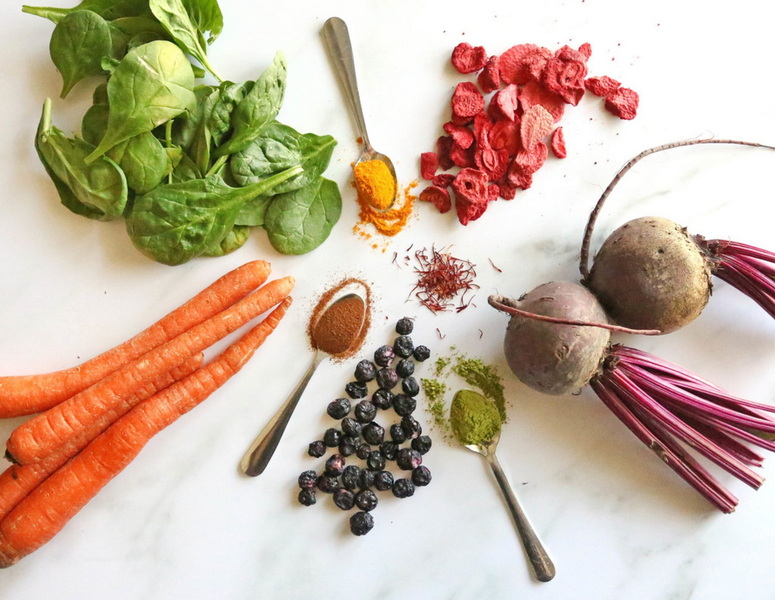
- Beetroot: Provides deep red and purple hues, commonly used in beverages, dairy products, and confectionery. Beetroot extract is valued for its antioxidant properties and appealing color stability.
- Carrot: Offers vibrant orange shades, ideal for bakery products, snacks, and sauces. Carrot-derived carotenoids are also known for their vitamin A content.
- Curcumin (Turmeric): Delivers bright yellow tones, widely used in culinary dishes and beverages. Curcumin is also recognized for its anti-inflammatory properties.
- Paprika: Produces red and orange colors, frequently used in seasonings and processed foods. Paprika extract enhances both color and flavor profiles.
- Annatto: Yields yellow to orange hues, popular in cheese, butter, and snack products. Annatto is a traditional natural colorant with a long history of safe use.
- Elderberry: Offers purple shades, suitable for jams, jellies, and beverages. Elderberry extracts are also rich in antioxidants.
Applications Across Food Categories
Natural food colors are used in:
- Bakery and Confectionery: Enhancing the appearance of cakes, pastries, candies, and icings with vibrant, natural hues.
- Dairy Products: Adding color to yogurt, ice cream, and cheese without compromising taste or texture.
- Beverages: Coloring juices, soft drinks, and plant-based milks with stable, natural pigments.
- Savory Foods: Improving the visual appeal of sauces, seasonings, and ready meals.
- Nutraceuticals: Coloring supplements and functional foods while maintaining clean-label status.
The versatility of natural food colors allows manufacturers to innovate across product lines, meeting diverse consumer preferences and regulatory requirements.
Innovation and Sustainability in Natural Food Colors
Advancements in Extraction and Stability
Modern natural food colors manufacturers and suppliers invest heavily in research to improve pigment stability, solubility, and shelf life. Encapsulation, emulsification, and blending techniques ensure that natural colors perform reliably across diverse food matrices. These technologies help overcome challenges such as color fading, interaction with other ingredients, and sensitivity to processing conditions.
Sustainable Sourcing and Production
Sustainability is a core value for leading manufacturers. By sourcing raw materials responsibly and minimizing environmental impact, companies contribute to a greener food industry. Many suppliers also support local farmers and implement eco-friendly production practices such as water recycling, renewable energy use, and waste reduction.
Sustainable sourcing also involves selecting plant varieties that require fewer pesticides and fertilizers, reducing the carbon footprint of natural food color production. Transparency in supply chains and fair trade practices further enhance the sustainability profile of these ingredients.
Regulatory Considerations for Natural Food Colors
Compliance with International Standards
Natural food colors must meet stringent regulatory requirements in Canada, the United States, the European Union, and other markets. Leading manufacturers ensure their products are compliant with food safety standards, including allergen labeling and traceability. This compliance is critical for global distribution and consumer confidence.
Clean Label and Allergen-Free Claims
Manufacturers and suppliers in Winnipeg offer natural food colors that are free from common allergens, GMOs, and synthetic additives, supporting clean-label initiatives and broad consumer acceptance. Certifications such as organic, kosher, and vegan further enhance product appeal.
How to Select the Right Manufacturer or Supplier
Key Factors to Consider
- Product Quality: Look for suppliers with rigorous quality control and certifications such as ISO, HACCP, and organic standards.
- Customization: Choose partners who can tailor solutions to your specific needs, including color shade, format, and stability.
- Technical Support: Access to expert guidance for formulation and application challenges ensures successful product development.
- Supply Chain Reliability: Ensure consistent availability and timely delivery to avoid production delays.
- Sustainability: Prioritize companies with strong environmental and ethical practices to align with your brand values.
Building a strong partnership with a natural food colors manufacturer or supplier in Winnipeg can significantly enhance your product offerings and market competitiveness.
Conclusion
Natural food colors manufacturers and suppliers in Winnipeg are playing a pivotal role in transforming the food industry. By embracing innovation, sustainability, and quality, these companies empower brands and producers to meet the rising demand for clean-label, visually appealing, and health-conscious products. Whether you are a brand owner, wholesaler, or manufacturer, partnering with Winnipeg's leading natural food colors suppliers opens doors to global markets and consumer trust. As the industry continues to evolve, the commitment to natural ingredients and responsible sourcing will remain at the heart of food innovation.
FAQ
1. What are natural food colors, and how are they made?
Natural food colors are pigments extracted from fruits, vegetables, herbs, and other plant sources. They are processed using advanced extraction techniques to ensure purity, stability, and vibrant color, making them suitable for a wide range of food and beverage applications.
2. Why should food manufacturers use natural food colors instead of synthetic dyes?
Natural food colors offer health and safety benefits, align with clean-label trends, and meet consumer demand for transparency. They are free from artificial additives and often provide additional nutritional value.
3. Can natural food colors be customized for specific product needs?
Yes, many natural food colors manufacturers and suppliers offer OEM services, allowing for the customization of color shades, formats, and stability to suit specific applications, such as bakery, dairy, or beverages.
4. Are natural food colors suitable for all types of food products?
Natural food colors are highly versatile and can be used in various food categories, including bakery, confectionery, dairy, beverages, savory foods, and nutraceuticals. Manufacturers provide guidance on selecting the right colorant for each application.
5. What should I consider when choosing a natural food colors manufacturer or supplier?
Key factors include product quality, customization capabilities, technical support, supply chain reliability, and commitment to sustainability. It is essential to partner with a supplier who aligns with your brand values and production needs.
