

Top Natural Food Colors Manufacturers and Suppliers in Victoria
Top Natural Food Colors Manufacturers and Suppliers in Victoria
标签arcclick报错:缺少属性 aid 值。
Content Menu
● The Importance of Natural Food Colors
● Overview of the Natural Food Colors Industry in Victoria
● Leading Natural Food Colors Manufacturers and Suppliers in Victoria
>> Sensate
>> Ozcolours
● The Role of OEM Services in the Natural Food Colors Industry
>> Plant-Based and Vegan Solutions
>> Advanced Extraction Technologies
● Applications of Natural Food Colors
● How to Choose the Right Natural Food Colors Supplier
● FAQ
>> 1. What are natural food colors, and how are they different from synthetic colors?
>> 2. Why should manufacturers choose natural food colors over artificial ones?
>> 3. What industries use natural food colors the most?
>> 4. How do OEM services benefit brand owners and wholesalers?
>> 5. What should I consider when choosing a natural food colors manufacturer or supplier?
In the vibrant world of food production, color plays a crucial role in capturing consumers' attention and enhancing the appeal of products. As health-conscious trends dominate the global market, the demand for natural food colors is rapidly increasing. Victoria, Australia, stands out as a hub for innovative and reliable natural food colors manufacturers and suppliers, serving both local and international markets. This article delves into the leading companies in Victoria, explores the advantages of natural food colors, and provides insights into industry trends, OEM services, and frequently asked questions.
The Importance of Natural Food Colors
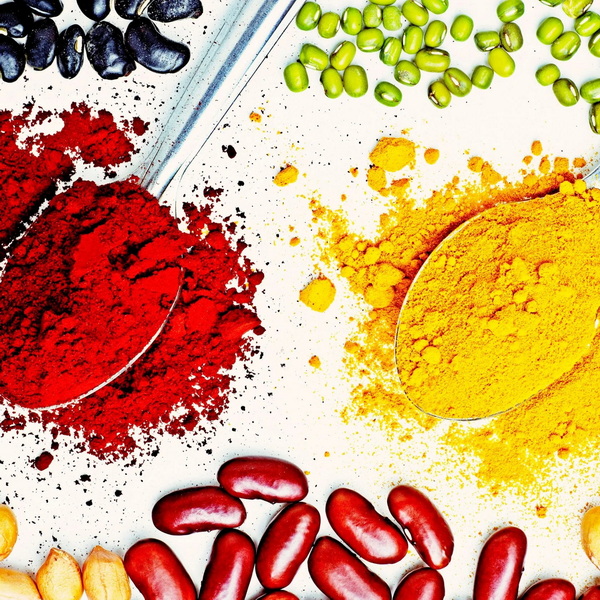
Natural food colors are derived from plant, mineral, or animal sources and are used to enhance the visual appeal of food and beverages without synthetic additives. These colors not only make products more attractive but also align with consumer preferences for clean-label, healthy, and sustainable options.
Benefits of Natural Food Colors:
- Healthier alternative to artificial additives
- Meet regulatory and labeling requirements
- Appeal to vegan, vegetarian, and allergen-free markets
- Enhance product differentiation and brand value
- Support sustainable and ethical sourcing practices
Natural food colors contribute significantly to a product's marketability by providing vibrant hues while maintaining a clean ingredient list. Consumers today are more informed and selective, often scrutinizing product labels for artificial components. As a result, natural food colors have become a critical component in product development strategies across the food industry.
Overview of the Natural Food Colors Industry in Victoria
Victoria is renowned for its robust food manufacturing sector, advanced research facilities, and strict quality standards. The region's natural food colors manufacturers and suppliers are recognized for their commitment to innovation, sustainability, and customer-oriented solutions.
Key Features of Victoria's Industry:
- Access to high-quality raw materials sourced both locally and globally
- Advanced extraction and formulation technologies ensuring product stability and vibrancy
- Strong focus on research and development to innovate new color solutions
- Wide range of products catering to diverse food and beverage applications
- Reliable OEM and private label services supporting brand customization and scalability
Victoria's natural food colors industry benefits from a collaborative ecosystem involving universities, research institutions, and manufacturers. This synergy fosters continuous improvement in product quality and compliance with evolving food safety regulations, both domestically and internationally.
Leading Natural Food Colors Manufacturers and Suppliers in Victoria
Food Colour Solutions
Food Colour Solutions is a prominent player in Victoria, offering a comprehensive range of natural colors sourced from trusted global partners. Their portfolio includes annatto, anthocyanins, beta-carotene, chlorophyll, curcumin, paprika, turmeric, and more. The company provides tailored solutions for bakery, dairy, beverages, confectionery, and other industries, ensuring stability and vibrant hues in every application.
They emphasize custom color blends and technical support, offering liquid and powder formats with water and oil-soluble options. Their commitment to quality, supply continuity, and price stability makes them a preferred partner for many food manufacturers.
AFIS Food Colouring
AFIS Food Colouring is known for its extensive range of natural and synthetic food colors. Their natural colors are suitable for bakery, ice cream, confectionery, pet foods, jams, jellies, beverages, cosmetics, and pharmaceuticals. AFIS offers powders, liquid blends, lake powders, and granular powders, catering to various manufacturing needs.
They provide Halal-certified options and multiple pack sizes, supporting manufacturers in meeting diverse market requirements. Their solutions address both low-moisture and oil-based applications, ensuring versatility.

Melbourne Food Depot
Melbourne Food Depot supplies both natural and synthetic food colors in water and lipid-soluble forms. The company is recognized for its diverse product range and commitment to quality, serving the culinary, food manufacturing, and hospitality sectors across Victoria and beyond.
They offer custom color solutions and prioritize food safety and regulatory compliance, ensuring products meet stringent standards.
Sensate
Sensate specializes in sourcing and manufacturing custom or unique food colors for clients in the food, beverage, dairy, and confectionery industries. Their expertise in color formulation ensures that customers receive products tailored to their specific requirements.
Sensate offers application-specific solutions and strong technical support, helping brands innovate and differentiate their products.
Ozcolours
Ozcolours is a leading supplier of food colors in Australia, offering high-quality natural colors, lake colors, and organic pigments. Their commitment to exceptional service and product quality makes them a preferred partner for food manufacturers looking to enhance their products naturally.
They provide solutions for various food applications, emphasizing organic and natural pigment options.
The Role of OEM Services in the Natural Food Colors Industry
OEM (Original Equipment Manufacturer) services are vital for brand owners, wholesalers, and manufacturers seeking to develop their own range of natural food colors without investing in production facilities. OEM partners in Victoria and China offer comprehensive services, including:
- Custom formulation and color matching tailored to client specifications
- Packaging design and private labeling to enhance brand identity
- Regulatory compliance assistance to meet local and international standards
- Flexible order quantities and fast lead times to support market responsiveness
- End-to-end supply chain management ensuring product consistency and timely delivery
By partnering with experienced OEM providers, businesses can quickly launch high-quality, customized natural food color products to meet market demand. These partnerships also allow companies to focus on marketing and distribution while leveraging the technical expertise of manufacturers.
Key Trends and Innovations
Clean Label Movement
Consumers are increasingly seeking products with simple, recognizable ingredients. Natural food colors align perfectly with this trend, driving manufacturers to replace synthetic dyes with plant-based alternatives. Clean label products often command premium pricing and foster greater brand loyalty.
Plant-Based and Vegan Solutions
With the rise of plant-based diets, manufacturers are developing natural food colors that are vegan, allergen-free, and suitable for a wide range of dietary preferences. This trend is expanding the market for natural colors beyond traditional food sectors into supplements and cosmetics.
Advanced Extraction Technologies
Innovations in extraction and stabilization technologies are enhancing the performance, stability, and vibrancy of natural food colors, making them suitable for a broader range of applications. Techniques such as supercritical CO2 extraction and enzyme-assisted extraction improve yield and purity.
Sustainable Sourcing
Manufacturers are prioritizing sustainable sourcing of raw materials, reducing environmental impact, and supporting local agriculture. Traceability and ethical sourcing practices are becoming key differentiators in supplier selection.
Functional Colors
The industry is witnessing a rise in functional natural colors that offer health benefits beyond aesthetics, such as antioxidants from anthocyanins or anti-inflammatory compounds from turmeric. This dual functionality adds value to finished products.
Applications of Natural Food Colors
Natural food colors are used across a diverse range of food and beverage products, including:
- Bakery and confectionery products such as cakes, cookies, and candies
- Dairy and ice cream products requiring stable, vibrant colors
- Beverages including juices, soft drinks, and nutritional supplements
- Sauces, dressings, and condiments enhancing visual appeal
- Cereals and snack foods for eye-catching packaging and consumer attraction
- Pet foods where natural ingredients are increasingly demanded
- Cosmetics and pharmaceuticals where natural pigments are preferred for safety
Each application requires careful selection of color type, format, and stability characteristics to ensure optimal performance. For instance, water-soluble colors are ideal for beverages, while oil-soluble colors suit fat-based products.
How to Choose the Right Natural Food Colors Supplier
Selecting the best supplier is critical for product quality, regulatory compliance, and brand reputation. Consider the following factors:
- Product Range: Ensure the supplier offers a wide selection of natural colors and formats suitable for your application.
- Quality Assurance: Look for certifications such as ISO, Halal, Kosher, and organic labels that meet your market requirements.
- Customization: Ability to develop tailored solutions and custom blends to differentiate your product.
- Technical Support: Access to expert guidance on formulation, stability, and regulatory matters.
- Supply Reliability: Consistent quality and timely delivery to avoid production disruptions.
- Regulatory Compliance: Adherence to local and international food safety standards including FDA, FSANZ, and EFSA.
- OEM/Private Label Service: Availability of end-to-end support for branded products, including packaging and labeling.
Building a strong partnership with your supplier can lead to innovation, cost savings, and improved product performance.
Conclusion
Natural food colors manufacturers and suppliers in Victoria are at the forefront of delivering safe, sustainable, and innovative solutions for the global food industry. Their commitment to quality, customization, and customer support makes them ideal partners for brand owners, wholesalers, and manufacturers seeking to enhance their products naturally. By leveraging advanced technologies, sustainable practices, and OEM services, Victoria's industry leaders are helping shape the future of food colorants worldwide. Choosing the right supplier ensures not only compliance and quality but also the ability to meet evolving consumer demands, making natural food colors an indispensable part of modern food production.
FAQ
1. What are natural food colors, and how are they different from synthetic colors?
Natural food colors are pigments derived from plants, minerals, or animals, used to enhance the appearance of food and beverages. Unlike synthetic colors, they are free from artificial chemicals and are considered safer and more appealing to health-conscious consumers.
2. Why should manufacturers choose natural food colors over artificial ones?
Manufacturers opt for natural food colors to meet consumer demand for clean-label products, comply with regulatory requirements, and avoid potential health risks associated with synthetic additives. Natural colors also align with trends in vegan, organic, and allergen-free products.
3. What industries use natural food colors the most?
Natural food colors are widely used in bakery, confectionery, dairy, beverages, sauces, snacks, pet foods, cosmetics, and pharmaceuticals. Their versatility and safety make them suitable for a broad range of applications.
4. How do OEM services benefit brand owners and wholesalers?
OEM services allow brand owners and wholesalers to develop their own line of natural food colors without investing in manufacturing infrastructure. OEM partners handle product development, customization, packaging, and regulatory compliance, enabling faster market entry and brand growth.
5. What should I consider when choosing a natural food colors manufacturer or supplier?
Key considerations include product quality, range, certifications, customization capabilities, technical support, supply reliability, and the availability of OEM or private label services. Partnering with a reputable supplier ensures consistent quality and regulatory compliance.
