

Top Natural Food Colors Manufacturers and Suppliers in Edmonton
Top Natural Food Colors Manufacturers and Suppliers in Edmonton
标签arcclick报错:缺少属性 aid 值。
Content Menu
● The Rise of Natural Food Colors
>> Shifting Consumer Preferences
● Why Choose Natural Food Colors Manufacturers and Suppliers?
>> Versatility
● Key Players in Edmonton's Natural Food Colors Industry
>> FoodRGB
>> Vivify
>> Kalsec
● Product Range and Applications
>> Common Natural Color Sources
● OEM Services for Global Clients
● Innovations and Trends in Natural Food Colors
>> Advanced Extraction Techniques
>> Plant-Based and Vegan Solutions
● Quality Assurance and Regulatory Compliance
● Sustainability and Ethical Sourcing
● Challenges Facing the Industry
● How to Select the Right Natural Food Colors Manufacturer or Supplier
>> Steps to Partnering Successfully
● Case Studies: Success Stories from Edmonton
>> Custom Beverage Color Solution
>> Plant-Based Snack Innovation
● FAQ
>> 1. What are the main benefits of using natural food colors over synthetic dyes?
>> 2. How do natural food colors manufacturers and suppliers ensure product quality?
>> 3. Can natural food colors be customized for specific applications?
>> 4. Are natural food colors suitable for vegan and allergen-free products?
>> 5. What challenges do natural food colors manufacturers face, and how are they addressed?
The demand for vibrant, safe, and naturally derived food colors has surged as consumers and manufacturers alike seek healthier alternatives to synthetic additives. Edmonton, a thriving hub for food innovation and manufacturing in Canada, is home to a growing network of natural food colors manufacturers and suppliers. These companies play a pivotal role in providing high-quality, plant-based color solutions to food and beverage brands, wholesalers, and producers. This comprehensive guide explores the landscape of natural food colors manufacturers and suppliers in Edmonton, delving into their product offerings, technological advancements, and the benefits of choosing natural over artificial colorants.
The Rise of Natural Food Colors
Shifting Consumer Preferences
In recent years, health-conscious consumers have driven the food industry toward cleaner labels and natural ingredients. Artificial food dyes, once ubiquitous in processed foods, are being replaced by natural alternatives derived from fruits, vegetables, herbs, and edible plants. This shift is not only fueled by health concerns but also by a desire for transparency and sustainability in food production. Consumers increasingly scrutinize ingredient lists and demand products that align with their values around health, wellness, and environmental responsibility.
Market Growth
The global market for natural food colors has experienced robust growth, with Edmonton emerging as a significant player in supplying North American and international markets. The expansion is attributed to increased demand from food and beverage manufacturers, bakery and confectionery producers, and even pet food brands seeking natural color solutions. Edmonton's strategic location, combined with its access to quality raw materials and advanced manufacturing infrastructure, positions it as a preferred hub for natural food colors production and supply.
Why Choose Natural Food Colors Manufacturers and Suppliers?
Health and Safety
Natural food colors are derived from sources such as beetroot, turmeric, spirulina, and paprika. Unlike synthetic dyes, these colorants do not contain harmful chemicals, making them safer for consumers, especially children and individuals with sensitivities. The absence of artificial additives reduces the risk of allergic reactions and hyperactivity linked to some synthetic dyes, offering peace of mind to manufacturers and consumers alike.
Clean Label Appeal
Brands partnering with natural food colors manufacturers and suppliers can confidently label their products as “free from artificial colors,” meeting the growing demand for transparency and clean ingredients. This clean-label positioning is a powerful marketing tool that resonates with modern consumers who prioritize naturalness and authenticity in their food choices.
Versatility
Natural food colors are suitable for a wide range of applications, including beverages, dairy, bakery, confectionery, snacks, and plant-based foods. Their versatility allows manufacturers to create visually appealing products without compromising on quality or safety. Additionally, natural colors often provide subtle flavor enhancements and antioxidant benefits, adding functional value beyond aesthetics.
Environmental Benefits
Choosing natural food colors supports sustainable agricultural practices and reduces the environmental impact associated with synthetic chemical production. Many manufacturers in Edmonton emphasize eco-friendly sourcing and production methods, aligning with global trends toward sustainability and corporate social responsibility.
Key Players in Edmonton's Natural Food Colors Industry
Calico Food Ingredients
Calico Food Ingredients is a trusted supplier specializing in natural food colors, flavors, and specialty ingredients. Their technical expertise and collaboration with global partners enable them to offer customized solutions for various food and beverage applications. Calico's commitment to innovation and quality ensures that clients receive colorants that meet both aesthetic and functional needs.
Sun Food Tech
Sun Food Tech is a prominent manufacturer and exporter of food colors in Canada, focusing on plant-based and lake colors for the food and confectionery industries. Their innovative extraction techniques ensure vibrant and stable color solutions. Sun Food Tech's dedication to research and development allows them to stay ahead of industry trends and regulatory requirements.
FoodRGB
FoodRGB provides 100% plant-based, non-artificial food coloring solutions tailored to the needs of manufacturers, including custom formulations and OEM services for international clients. Their technical team works closely with partners to develop colors that meet specific product requirements, ensuring optimal performance across diverse applications.
Vivify
Vivify is a global leader in natural food color solutions, offering a diverse range of products for confectionery, beverages, and baked goods. Their vertically integrated production process ensures consistent quality and supply chain reliability. Vivify's focus on sustainability and innovation has earned them a reputation for excellence in the natural colors market.
Kalsec
Kalsec is known for its spice, herb, and vegetable-derived colors, emphasizing stability, vibrancy, and clean-label compliance. Their research-driven approach supports innovation across the food industry, enabling manufacturers to create products that appeal to health-conscious consumers while maintaining visual appeal.

Product Range and Applications
Common Natural Color Sources
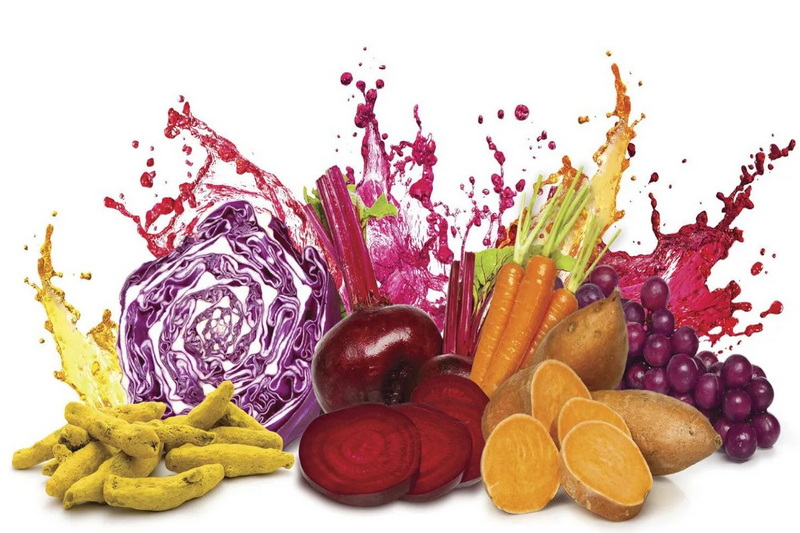
- Beetroot: Produces red and pink hues, widely used in beverages, dairy products, and confections. Beetroot extract is prized for its rich color and antioxidant properties.
- Turmeric: Offers bright yellow shades suitable for curries, snacks, and bakery items. Turmeric's natural curcumin pigment also provides anti-inflammatory benefits.
- Spirulina: A source of blue and green shades, ideal for candies, ice creams, and health foods. Spirulina is a microalgae rich in nutrients and pigments.
- Paprika and Annatto: Provide orange and yellow tones for cheeses, sauces, and baked goods. These pigments are stable and widely accepted in various food categories.
- Carrot and Elderberry Extracts: Yield purple and orange colors for juices, gummies, and desserts, adding natural vibrancy and nutritional value.
Application Areas
- Beverages: Natural colors enhance fruit juices, sodas, plant-based milks, and alcoholic drinks, providing appealing hues without compromising taste or safety.
- Bakery and Confectionery: Cakes, cookies, candies, and icings benefit from natural colors that withstand baking processes and maintain visual appeal.
- Dairy: Yogurts, cheeses, and flavored milks incorporate natural colorants to attract consumers seeking clean-label dairy options.
- Snacks: Chips, extruded snacks, and cereals use natural colors to differentiate products and appeal to health-conscious buyers.
- Prepared Meals: Sauces, soups, and ready-to-eat dishes incorporate natural colors to enhance appearance and perceived freshness.
OEM Services for Global Clients
Natural food colors manufacturers and suppliers in Edmonton offer comprehensive OEM (Original Equipment Manufacturer) services. These services include:
- Custom Formulation: Developing color solutions tailored to specific product needs, including shade, stability, and regulatory compliance.
- Private Labeling: Packaging and branding for international markets, enabling brands to maintain consistent identity and quality.
- Bulk Supply: Large-scale production for wholesalers and brand owners, ensuring reliable delivery and competitive pricing.
- Technical Support: R&D collaboration for new product development and troubleshooting, helping clients optimize color performance and product appeal.
OEM services are particularly valuable for international clients seeking reliable partners for plant extract-based colorants, herbal formulations, and specialty blends. Edmonton manufacturers' ability to combine technical expertise with flexible production capabilities makes them ideal collaborators for brands aiming to innovate and expand.
Innovations and Trends in Natural Food Colors
Advanced Extraction Techniques
Manufacturers are leveraging advanced extraction technologies, such as supercritical fluid extraction and encapsulation, to improve color stability, intensity, and shelf life. These methods allow for the efficient recovery of pigments while preserving their natural properties, resulting in superior color quality.
Clean-Label Emulsions
Innovative delivery systems, including clean-label emulsions, enhance the solubility and dispersibility of natural colors in various food matrices. These emulsions improve color uniformity and reduce the impact of environmental factors such as pH and temperature.
Plant-Based and Vegan Solutions
With the rise of plant-based diets, manufacturers are focusing on vegan-friendly, allergen-free colorants that align with ethical and dietary preferences. This trend supports the growing market for plant-based meat, dairy alternatives, and snacks.
Sustainable Sourcing
Sustainability is a core focus, with companies prioritizing ethically sourced raw materials, reduced environmental impact, and traceable supply chains. Many Edmonton manufacturers collaborate with local farmers and suppliers to ensure responsible procurement.
Functional Colors
Beyond aesthetics, some natural food colors offer functional benefits such as antioxidant activity, anti-inflammatory effects, and nutrient enrichment. This dual functionality appeals to consumers seeking foods that contribute to overall wellness.
Quality Assurance and Regulatory Compliance
Natural food colors manufacturers and suppliers in Edmonton adhere to stringent quality control measures and comply with global regulatory standards, including:
- Health Canada and CFIA: Compliance with Canadian food safety regulations ensures products are safe for domestic consumption.
- FDA and EU Standards: Meeting international requirements facilitates export to major markets such as the United States and the European Union.
- Non-GMO and Organic Certifications: Providing assurance for health-conscious consumers who prioritize natural and organic products.
Quality assurance protocols include rigorous testing for purity, stability, and allergen content, ensuring that only the highest quality products reach the market. Many suppliers implement Hazard Analysis and Critical Control Points (HACCP) and Good Manufacturing Practices (GMP) to maintain consistent standards.
Sustainability and Ethical Sourcing
Sustainability initiatives are integral to the operations of leading manufacturers. These include:
- Eco-Friendly Production: Minimizing waste, energy use, and carbon footprint through efficient manufacturing processes and renewable energy adoption.
- Fair Trade Practices: Supporting farmers and communities involved in raw material cultivation by ensuring fair wages and ethical labor conditions.
- Biodiversity Conservation: Encouraging the use of diverse plant sources to protect ecosystems and reduce monoculture risks.
- Waste Valorization: Utilizing by-products and waste streams from extraction processes to create value-added products or bioenergy.
These efforts not only reduce environmental impact but also enhance brand reputation and consumer trust.
Challenges Facing the Industry
Despite significant advancements, the natural food colors industry faces several challenges:
- Color Stability: Natural pigments can be sensitive to heat, light, and pH changes, requiring innovative formulation and packaging solutions to maintain color integrity.
- Cost: Natural colorants are often more expensive to produce than synthetic counterparts due to raw material sourcing and processing complexities.
- Supply Chain Fluctuations: Seasonal availability of raw materials can impact production schedules and pricing.
- Regulatory Variability: Different countries have unique regulations for color additives, complicating international trade and product development.
- Consumer Expectations: Balancing naturalness with vibrant, consistent colors can be challenging, as some natural pigments may appear less intense or vary batch to batch.
Manufacturers address these challenges through research, innovation, and close collaboration with clients to develop robust solutions that meet market demands.
How to Select the Right Natural Food Colors Manufacturer or Supplier
Key Considerations
- Expertise and Track Record: Choose companies with a proven history in natural color production and innovation.
- Product Range: Look for suppliers offering a diverse portfolio of colorants suitable for your applications.
- Quality Certifications: Ensure compliance with relevant food safety and quality standards.
- Customization Capabilities: Opt for manufacturers who provide tailored solutions and OEM services.
- Technical Support: Reliable after-sales support is essential for troubleshooting and product optimization.
- Sustainability Commitment: Partner with suppliers who prioritize ethical sourcing and environmental responsibility.
- Regulatory Knowledge: Select manufacturers familiar with target market regulations to facilitate compliance.
Steps to Partnering Successfully
1. Define Your Requirements: Identify the color shades, application areas, and regulatory needs for your products.
2. Evaluate Suppliers: Compare offerings, certifications, and customer reviews.
3. Request Samples: Test color performance in your specific applications.
4. Negotiate Terms: Discuss pricing, lead times, and minimum order quantities.
5. Establish Ongoing Collaboration: Maintain open communication for future innovation and support.
Case Studies: Success Stories from Edmonton
Custom Beverage Color Solution
A local beverage company sought a vibrant, stable red color for a new fruit drink. By partnering with an Edmonton-based manufacturer, they developed a custom beetroot extract solution that maintained its hue throughout shelf life and met clean-label standards. This collaboration included extensive stability testing and formulation adjustments to ensure compatibility with the beverage's acidic pH.
Plant-Based Snack Innovation
A snack producer required a natural yellow color for a new vegan chip line. Through OEM collaboration, a turmeric-based colorant was formulated, delivering both visual appeal and label-friendly ingredients. The manufacturer provided technical support to optimize the color's heat stability during frying and packaging.
Export-Ready Confectionery
An international confectionery brand worked with an Edmonton supplier to develop a range of plant-based colors for export to the EU and US markets. The project involved rigorous testing, compliance with multiple regulatory standards, and successful market launch. The supplier's expertise in regulatory affairs and quality assurance was instrumental in navigating complex import requirements.
Conclusion
Natural food colors manufacturers and suppliers in Edmonton are at the forefront of the global shift toward clean-label, plant-based ingredients. Their expertise, innovation, and commitment to quality enable brands to create visually stunning, safe, and sustainable food products. By leveraging advanced technologies, ethical sourcing, and robust OEM services, these companies support the evolving needs of the food industry in Canada and beyond. Choosing the right partner in Edmonton means access to cutting-edge natural color solutions that meet consumer expectations and regulatory demands while promoting environmental stewardship.

FAQ
1. What are the main benefits of using natural food colors over synthetic dyes?
Natural food colors offer health and safety advantages, clean-label appeal, and are derived from renewable plant sources. They help brands meet consumer demand for transparency and natural ingredients while reducing potential health risks associated with synthetic dyes.
2. How do natural food colors manufacturers and suppliers ensure product quality?
Manufacturers implement strict quality control protocols, comply with international food safety standards, and conduct rigorous testing for purity, stability, and allergen content. Certifications such as HACCP, GMP, and organic or non-GMO labels further guarantee product integrity.
3. Can natural food colors be customized for specific applications?
Yes, many manufacturers provide custom formulation and OEM services, allowing brands to develop tailored color solutions for unique product requirements. This includes adjusting shade, stability, and compatibility with different food matrices.
4. Are natural food colors suitable for vegan and allergen-free products?
Most natural food colors are plant-based and can be formulated to meet vegan and allergen-free standards, making them ideal for a wide range of dietary preferences and clean-label products.
5. What challenges do natural food colors manufacturers face, and how are they addressed?
Common challenges include color stability, cost, and supply chain variability. Manufacturers address these through research, advanced extraction techniques, innovative formulation, and close collaboration with clients to develop robust, market-ready solutions.
