
The Ultimate Guide to Botanical Extract Powder: Quality, Sourcing, and Industry Applications
The Ultimate Guide to Botanical Extract Powder: Quality, Sourcing, and Industry Applications
标签arcclick报错:缺少属性 aid 值。
In today's health-conscious world, the demand for natural, plant-based ingredients has never been higher. From dietary supplements and functional beverages to cosmetics and pharmaceuticals, industries across the globe are turning to botanical sources to meet consumer expectations for clean-label, effective products. At the heart of this movement lies a versatile and powerful ingredient form: botanical extract powder. This guide explores what botanical extract powders are, how they are made, how to assess their quality, and how to partner with the right supplier for your business needs.
What Exactly Is Botanical Extract Powder?
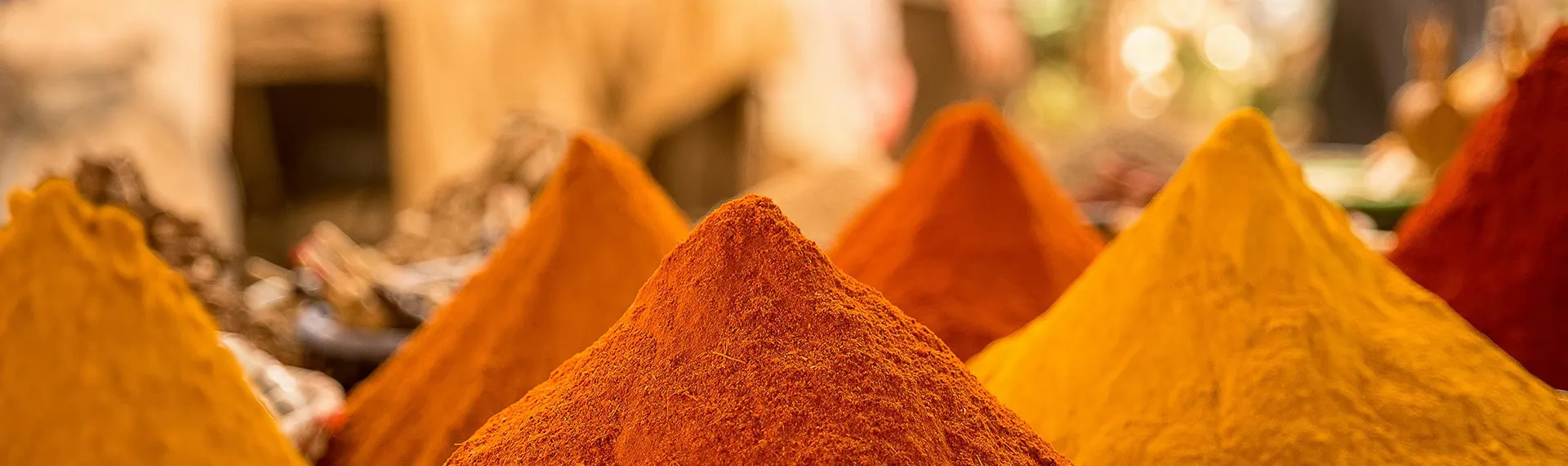
A botanical extract powder is a concentrated, dried form of bioactive compounds derived from various parts of plants — including leaves, roots, stems, flowers, fruits, and seeds. Through carefully controlled extraction processes, the desired phytochemicals (such as polyphenols, alkaloids, flavonoids, saponins, and polysaccharides) are isolated from the raw plant material, concentrated, and then converted into a stable, free-flowing powder.
Unlike raw herbal powders — which are simply ground plant material — botanical extract powders are standardized. This means the concentration of key active compounds is measured and guaranteed, batch after batch. For example, a Green Tea Extract powder might be standardized to contain 50% EGCg (epigallocatechin gallate), while a Ginseng Root Extract powder may be standardized to contain 10% ginsenosides. Such standardization gives manufacturers confidence that every capsule, tablet, or beverage they produce delivers consistent potency and efficacy.
Common Types and Forms of Botanical Extract Powders
Botanical extract powders come in a remarkable diversity of types, each catering to distinct functional goals:
Herbal Extracts: Ashwagandha Extract, Ginseng Root Extract, Echinacea Extract, Ginkgo Biloba Extract, and Milk Thistle Extract are among the most widely used. These are prized in the dietary supplement industry for their adaptogenic, immune-supporting, and cognitive-enhancing properties.
Functional Mushroom Extracts: Lion's Mane Mushroom Extract, Reishi Mushroom Polysaccharides, Cordyceps Extract, and Chaga Mushroom Polysaccharides have gained significant traction for their immune-modulating and nootropic benefits.
Natural Food Colors: Ingredients like Beetroot Red, Gardenia Yellow, Anthocyanins, and Spirulina Blue provide clean-label alternatives to synthetic dyes in food and beverage applications.
Standardized Single-Compound Extracts: Products like Berberine HCL, Quercetin, Apigenin, and NMN Powder deliver isolated bioactive molecules with well-documented mechanisms of action and clinical backing.
Leading botanical extract manufacturers typically maintain catalogs spanning 100 to over 200 distinct products, covering these categories and more. This breadth allows health brands and product formulators to source everything they need from a single, qualified partner, simplifying supply chain management and ensuring uniform quality across their entire product line.
Quality Standards and Certifications Matter
Not all botanical extract powders are created equal. The difference between a premium extract and a substandard one often comes down to the certifications and quality systems a manufacturer has in place. When evaluating suppliers, look for the following benchmarks:
ISO 9001: An internationally recognized quality management system standard. ISO 9001 certification signals that a manufacturer follows documented, repeatable processes for production, testing, and continuous improvement.
HACCP (Hazard Analysis and Critical Control Points): A systematic preventive approach to food safety that identifies physical, chemical, and biological hazards in production. HACCP certification is particularly important for extracts destined for food, beverage, and nutraceutical applications.
NOP / EOS Organic Certifications: USDA National Organic Program (NOP) and EU Organic Standard (EOS) certifications verify that botanical raw materials are grown and processed without synthetic pesticides, fertilizers, or genetically modified organisms. These are essential credentials for brands marketing organic-certified finished products.
Kosher Certification: Confirms that production processes meet Jewish dietary law requirements, which is often also used as a broader mark of purity and quality by health-conscious consumers.
The Manufacturing Process: From Raw Botanical to Standardized Powder
Producing high quality herbal extracts in powder form involves a multi-stage process that demands both technical expertise and rigorous quality control at every step:
Step 1 — Raw Material Selection & Sourcing: It all begins with premium botanical raw materials. Reputable manufacturers carefully vet their sourcing regions, harvest seasons, and plant parts used. Authentication testing (such as macroscopic, microscopic, and DNA barcoding analysis) ensures the correct species is used every time.
Step 2 — Extraction: The chosen plant material undergoes extraction using methods best suited to the target compounds. Common techniques include water extraction, alcohol (ethanol) extraction, and supercritical CO₂ extraction. Water extraction is preferred for water-soluble bioactive compounds and clean-label applications, while alcohol extraction is effective for polyphenols, alkaloids, and other less-polar compounds. Supercritical CO₂ extraction provides a solvent-free, highly selective method ideal for delicate or heat-sensitive phytochemicals.
Step 3 — Concentration & Standardization: After extraction, the liquid extract is concentrated to increase the potency of active compounds. The concentrate is then standardized — meaning the levels of key bioactive markers (such as polysaccharides, ginsenosides, or flavonoid content) are adjusted to meet the specified percentage, ensuring consistency from batch to batch.
Step 4 — Drying & Milling: The concentrated extract is dried — typically via spray drying or vacuum drying — to produce a fine, free-flowing powder. The drying method affects the powder's solubility, particle size, and flow characteristics, all of which matter for downstream formulation.
Step 5 — Laboratory Testing & Batch Verification: Every batch undergoes comprehensive laboratory analysis. Tests typically include identity verification (HPLC, UV-Vis), potency assay, heavy metal screening, microbial limits testing, pesticide residue analysis, and residual solvent checks. Only after passing all specifications is the batch released.
Step 6 — Packaging & Documentation: Finished powders are packaged in food-grade, moisture-barrier containers with proper labeling. Each shipment is accompanied by a Certificate of Analysis (COA), specification sheets, safety documentation (MSDS), and any required export documents.
Where Are Botanical Extract Powders Used?
The versatility of botanical extract powders makes them indispensable across multiple industries:
Dietary Supplements: The largest application segment. Botanical extract powders are compressed into tablets, filled into capsules, or blended into powdered drink mixes. Popular categories include immune support, cognitive health, weight management, men's vitality, and women's health formulations.
Functional Foods & Beverages: Botanical extract powders are increasingly incorporated into protein bars, ready-to-drink (RTD) teas, instant beverage mixes, and fortified snacks. Water-soluble extracts and granulated forms are particularly suited for beverage applications where rapid dissolution and a clean mouthfeel are critical.
Cosmetics & Personal Care: Plant-derived active ingredients — such as Aloe Vera Extract, Centella Asiatica Extract, and Sea Buckthorn Powder Extract — are widely used in skincare creams, serums, hair care products, and other personal care formulations for their soothing, anti-aging, and antioxidant properties.
Pharmaceuticals: Standardized botanical extracts serve as active pharmaceutical ingredients (APIs) or intermediates in traditional herbal medicine preparations and modern phytopharmaceuticals, where precise potency and purity are non-negotiable.
How to Choose a Reliable Botanical Extract Powder Supplier
Selecting the right supplier is one of the most consequential decisions a health brand can make. Here are the key factors to evaluate:
Product Breadth: Does the supplier offer a comprehensive range of botanical extract powders — from common herbal staples to specialized mushroom extracts and natural colors? A broad catalog eliminates the need to juggle multiple vendors.
Certifications: Look for ISO 9001, HACCP, organic (NOP/EOS), and Kosher certifications as minimum proof of quality commitment.
Technical Capability: Does the manufacturer have in-house R&D? Can they develop custom formulations, optimize bioavailability, or create proprietary herbal blends tailored to your brand's unique positioning?
OEM / Private Label Services: Beyond supplying raw ingredients, can the supplier partner with you on end-to-end product development — from concept and formulation through to finished capsules, tablets, or powdered drink mixes under your brand?
Scalability: Can the supplier scale from small pilot batches for initial market testing to full commercial production volumes without compromising quality or lead times?
Regulatory & Documentation Support: Does the supplier provide the necessary COAs, specification sheets, safety data sheets, and export documentation required by your regulatory jurisdiction?
Botaniex: A Trusted Partner for Premium Botanical Extract Powders
For health brands seeking a reliable, vertically integrated partner, Botaniex stands out among global botanical ingredient suppliers. Headquartered in Changsha, China — a hub of botanical extraction expertise — Botaniex has built its reputation on delivering standardized, high-purity botanical extract powders to the dietary supplement, functional food, functional beverage, cosmetic, and pharmaceutical industries worldwide.
Botaniex maintains a comprehensive portfolio of over 150 botanical extract products, covering herbal extracts (such as Ashwagandha Extract, Tongkat Ali Extract, Green Tea Extract, and Ginseng Root Extract), functional mushroom extracts (including Lion's Mane, Reishi, Cordyceps, and Chaga), natural food colors (such as Beetroot Red, Gardenia Yellow, and Anthocyanins), and proprietary herbal formulas designed for targeted health applications.
The company's commitment to quality is demonstrated by its full suite of certifications — including ISO 9001, HACCP, EOS, NOP, and Kosher — and a rigorous five-stage quality control process that spans from raw material authentication through to final batch release testing. Advanced extraction technologies — water extraction, alcohol extraction, and supercritical CO₂ extraction — enable Botaniex to produce botanical extract powders with precise standardization and optimal bioavailability.
Beyond ingredient supply, Botaniex offers fully integrated OEM and private label services. Whether a brand needs capsules, tablets, instant herbal powders, granulated extracts, beverage powders, or functional blends, Botaniex's R&D team supports the entire journey — from concept and custom formulation through to production, packaging, and regulatory documentation. With overseas offices in New York, USA, and Toronto, Canada, Botaniex provides responsive local support to clients in key international markets.
Key Advantages of Partnering with Botaniex:
• 150+ botanical extract products in one catalog
• ISO 9001, HACCP, EOS, NOP, and Kosher certified
• Advanced water, alcohol, and supercritical CO₂ extraction capabilities
• In-house R&D for custom formulation and proprietary blends
• Full OEM / private label service — concept to finished product
• Overseas offices in the USA and Canada for local client support
• 150+ botanical extract products in one catalog
• ISO 9001, HACCP, EOS, NOP, and Kosher certified
• Advanced water, alcohol, and supercritical CO₂ extraction capabilities
• In-house R&D for custom formulation and proprietary blends
• Full OEM / private label service — concept to finished product
• Overseas offices in the USA and Canada for local client support
Ready to elevate your product line with premium botanical extract powders?
Whether you need a single standardized ingredient in bulk, a custom proprietary formula, or a complete turnkey private label solution, Botaniex has the expertise, capacity, and certifications to be your long-term manufacturing partner. Contact the Botaniex team today to discuss your project requirements, request samples, or receive a tailored quotation.
Email: sales@botaniex.com | Phone: +86-731-88718666
USA Office: +1 (718) 559-8078 | Canada Office: +1 (437) 937-1154
Website: www.botaniextract.com
Whether you need a single standardized ingredient in bulk, a custom proprietary formula, or a complete turnkey private label solution, Botaniex has the expertise, capacity, and certifications to be your long-term manufacturing partner. Contact the Botaniex team today to discuss your project requirements, request samples, or receive a tailored quotation.
Email: sales@botaniex.com | Phone: +86-731-88718666
USA Office: +1 (718) 559-8078 | Canada Office: +1 (437) 937-1154
Website: www.botaniextract.com
