

Is Tongkat Ali Extract A Natural Remedy for Fatigue?
Is Tongkat Ali Extract A Natural Remedy for Fatigue?
标签arcclick报错:缺少属性 aid 值。
Content Menu
● Effects on Energy and Fatigue
>> Stress Hormones and Fatigue
>> Sleep-Wake Cycle Regulation
● Clinical Evidence and Trials
>> Human Trials
>> 1. What is Tongkat Ali used for?
>> 2. How does Tongkat Ali affect testosterone?
>> 3. Can Tongkat Ali help with sleep disturbances?
>> 4. Is Tongkat Ali safe to use?
>> 5. What are the potential side effects of Tongkat Ali?
Tongkat Ali, also known as Eurycoma longifolia, is a plant native to Southeast Asia, traditionally used for its medicinal properties. It has gained popularity for its potential benefits in enhancing energy, reducing fatigue, and improving overall well-being. This article explores whether Tongkat Ali extract can serve as a natural remedy for fatigue, examining its effects on energy levels, stress management, and hormonal balance.

Introduction to Tongkat Ali
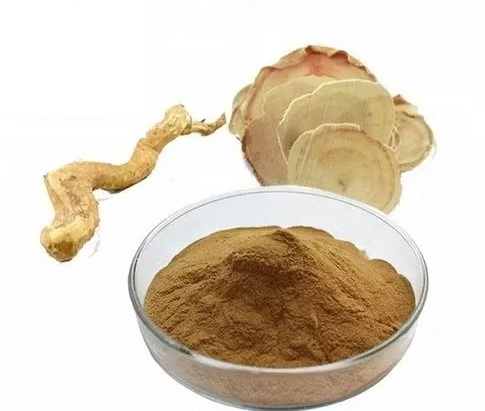
Tongkat Ali has been used in traditional medicine for centuries, particularly in Malaysia and Indonesia, where it is known as "Malaysian Ginseng." It is renowned for its aphrodisiac properties, stress relief, and energy-boosting effects. The plant's roots are the primary source of its medicinal compounds, which include eurypeptides and other bioactive substances.
Traditional Uses
Traditionally, Tongkat Ali is used to treat a variety of conditions, including low libido, fatigue, and stress. Its traditional preparation involves boiling the roots in water to create a decoction, which is consumed to enhance vitality and resilience. In some cultures, it is also used as a dietary supplement to improve physical performance and endurance.
Modern Applications
In modern times, Tongkat Ali is often used in dietary supplements, capsules, and powders. These forms are more convenient and standardized, allowing for consistent dosing and easier integration into daily routines. The extract is also used in some energy drinks and performance-enhancing products due to its potential to boost energy and vitality.
Effects on Energy and Fatigue
Research suggests that Tongkat Ali supplementation can improve energy levels and reduce fatigue. This is attributed to its ability to enhance testosterone production and balance stress hormones, such as cortisol.
Testosterone and Energy
Testosterone plays a crucial role in maintaining energy levels and physical performance. Studies have shown that Tongkat Ali can increase total testosterone levels, which may contribute to improved energy and reduced fatigue. This effect is particularly beneficial for individuals experiencing low testosterone levels, which can lead to decreased energy and motivation.
Stress Hormones and Fatigue
Cortisol is a stress hormone that can lead to fatigue when its levels are elevated. Tongkat Ali has been shown to reduce cortisol levels, thereby helping to mitigate stress-induced fatigue. By balancing the cortisol-to-testosterone ratio, Tongkat Ali may help individuals manage chronic stress more effectively.
Impact on Sleep and Rest
Sleep disturbances can significantly contribute to fatigue. Some studies suggest that Tongkat Ali may help improve sleep quality by enhancing the sleep-wake cycle and reducing daytime sleepiness.
Sleep-Wake Cycle Regulation
In animal studies, Tongkat Ali supplementation has been found to consolidate wakefulness during active periods and improve non-rapid eye movement (NREM) sleep during resting periods, which can lead to better rest and reduced fatigue. This regulation of the sleep-wake cycle is crucial for maintaining energy levels and overall well-being.
Circadian Rhythm
Tongkat Ali may also influence the body's circadian rhythm, helping to synchronize the internal clock with external environmental cues. This synchronization can lead to improved sleep timing and quality, further reducing fatigue.
Mechanisms of Action
The mechanisms by which Tongkat Ali exerts its effects on fatigue are not fully understood but are believed to involve the regulation of testosterone and stress hormones.
Testosterone Regulation
Tongkat Ali may influence the release of free testosterone from its binding proteins, leading to increased available testosterone levels. This increase in bioavailable testosterone can enhance energy, libido, and physical performance.
Stress Hormone Balance
By reducing cortisol levels and improving the cortisol-to-testosterone ratio, Tongkat Ali can help mitigate the negative effects of chronic stress on energy and fatigue. This balance is crucial for maintaining hormonal homeostasis and reducing the risk of stress-related disorders.

Clinical Evidence and Trials
Several clinical trials have investigated the effects of Tongkat Ali on fatigue, energy, and hormonal balance. These studies generally support its potential as a natural remedy for fatigue.
Human Trials
In human trials, Tongkat Ali supplementation has been associated with improved mood, reduced stress, and enhanced energy levels. Participants have reported decreased fatigue and improved overall well-being. These findings suggest that Tongkat Ali may be beneficial for individuals experiencing chronic fatigue syndrome or stress-related fatigue.
Animal Studies
Animal studies have provided further insights into the mechanisms of Tongkat Ali. These studies have shown improvements in physical performance, stress resilience, and hormonal balance, supporting the potential benefits observed in human trials.
Safety and Side Effects
While Tongkat Ali is generally considered safe, it may interact with certain medications or exacerbate underlying health conditions. It is essential to consult a healthcare provider before starting supplementation.
Potential Interactions
Tongkat Ali may interact with blood thinners and diabetes medications. It is also important to monitor blood pressure and testosterone levels during supplementation, as changes in these parameters can occur.
Dosage and Administration
The recommended dosage of Tongkat Ali varies depending on the form and intended use. Typical dosages range from 200 mg to 400 mg per day, often taken in the morning to enhance energy throughout the day.
Conclusion
Tongkat Ali extract shows promise as a natural remedy for fatigue due to its effects on testosterone levels, stress hormone balance, and sleep quality. However, more research is needed to fully understand its mechanisms and long-term efficacy. As with any supplement, it is crucial to consult a healthcare provider before starting Tongkat Ali supplementation, especially for individuals with underlying health conditions.
Frequently Asked Questions
1. What is Tongkat Ali used for?
Tongkat Ali is traditionally used to enhance energy, reduce fatigue, improve libido, and manage stress. It is also known for its potential to increase testosterone levels.
2. How does Tongkat Ali affect testosterone?
Tongkat Ali may increase testosterone levels by influencing the release of free testosterone from its binding proteins, which can lead to improved energy and physical performance.
3. Can Tongkat Ali help with sleep disturbances?
Yes, Tongkat Ali may help improve sleep quality by regulating the sleep-wake cycle and reducing daytime sleepiness, which can contribute to reduced fatigue.
4. Is Tongkat Ali safe to use?
Tongkat Ali is generally considered safe, but it may interact with certain medications or exacerbate underlying health conditions. Consult a healthcare provider before starting supplementation.
5. What are the potential side effects of Tongkat Ali?
Potential side effects include increased heart rate, insomnia, and interactions with blood thinners or diabetes medications. Monitoring blood pressure and testosterone levels during supplementation is recommended.
Citations:
[1] https://academic.oup.com/sleepadvances/article/5/1/zpae047/7710213
[2] https://pmc.ncbi.nlm.nih.gov/articles/PMC9415500/
[3] https://pmc.ncbi.nlm.nih.gov/articles/PMC3669033/
[4] https://www.mdpi.com/2076-3417/14/11/4372
[5] https://www.verywellhealth.com/tongkat-ali-8715064
[6] https://examine.com/supplements/tongkat-ali/research/
[7] https://www.livemomentous.com/products/tongkat
[8] https://www.nmn.com/news/clinical-study-shows-tongkat-ali-raises-testosterone-and-increases-strength-in-older-men
