

Is Cinnamon Bark Extract The Best Natural Sweetener Alternative?
Is Cinnamon Bark Extract The Best Natural Sweetener Alternative?
标签arcclick报错:缺少属性 aid 值。
Content Menu
● Introduction to Natural Sweeteners
>> Cinnamon Bark Extract Overview
● Benefits of Cinnamon Bark Extract
● Comparison with Other Natural Sweeteners
● Applications of Cinnamon Bark Extract
● Sustainability and Environmental Impact
● Cultural Significance of Cinnamon
>> 1. What are the primary health benefits of cinnamon bark extract?
>> 2. Can cinnamon bark extract be used as a direct replacement for sugar?
>> 3. How does cinnamon bark extract compare to stevia or monk fruit in terms of sweetness?
>> 4. Are there any potential side effects of consuming cinnamon bark extract?
>> 5. Can cinnamon bark extract be used in vegan recipes?
In recent years, the quest for natural sweeteners has gained significant traction due to growing concerns about the health impacts of refined sugars and artificial sweeteners. Among various natural alternatives, cinnamon bark extract has emerged as a promising candidate. This article explores whether cinnamon bark extract can be considered the best natural sweetener alternative, examining its properties, benefits, and potential applications.
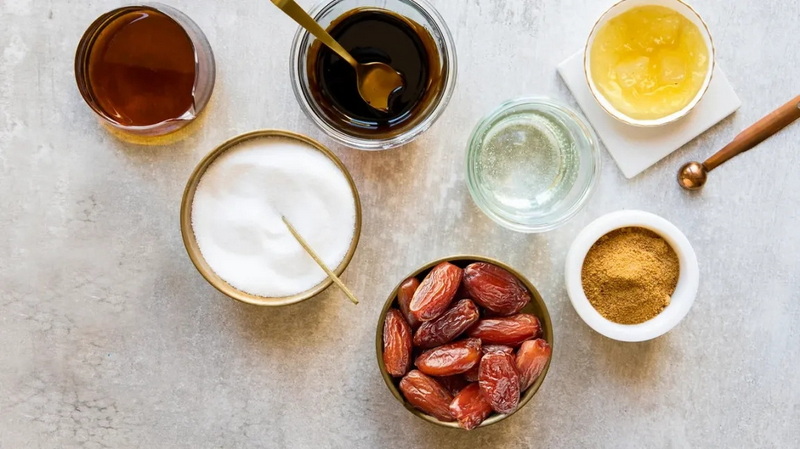
Introduction to Natural Sweeteners
Natural sweeteners are derived from plants and offer a healthier alternative to both sugar and artificial sweeteners. They are often less processed, contain beneficial nutrients, and have a more favorable metabolic impact compared to synthetic sweeteners. Some popular natural sweeteners include stevia, monk fruit, honey, maple syrup, and agave syrup.
Cinnamon Bark Extract Overview
Cinnamon bark extract is derived from the bark of the cinnamon tree, primarily Cinnamomum zeylanicum (Ceylon cinnamon) or Cinnamomum cassia (Cassia cinnamon). It is renowned for its warm, spicy flavor and has been used for centuries in traditional medicine for its digestive and anti-inflammatory properties.
Benefits of Cinnamon Bark Extract
Cinnamon bark extract is not only a flavorful addition to foods but also offers several health benefits:
1. Blood Sugar Control: Cinnamon has been extensively researched for its role in maintaining healthy blood sugar levels. It can help improve insulin sensitivity and reduce glucose levels in the blood, making it beneficial for individuals with type 2 diabetes.
2. Digestive Health: Cinnamon has been used in traditional Ayurvedic and Chinese medicines as a digestive aid. It can help alleviate symptoms of indigestion and improve overall gut health.
3. Antioxidant Properties: Cinnamon contains antioxidants like cinnamaldehyde, which can neutralize free radicals and reduce oxidative stress, potentially benefiting cardiovascular health.
4. Anti-Inflammatory Effects: Cinnamon's anti-inflammatory properties may help reduce inflammation in the body, which is linked to various chronic diseases.
5. Cognitive Function: Some studies suggest that cinnamon may have a positive impact on cognitive function and memory.
Potential as a Sweetener
While cinnamon itself is not as sweet as sugar, it can enhance the sweetness of other foods due to its unique flavor profile. The USDA has a patent on a cinnamon extract that reduces harmful sugar responses, suggesting potential applications in creating healthier sweeteners.
Comparison with Other Natural Sweeteners
Stevia and Monk Fruit
- Stevia: Derived from the leaves of Stevia rebaudiana, stevia is a highly sweet natural sweetener with no calories. It is widely used in diet foods and beverages.
- Monk Fruit: Extracted from Siraitia grosvenorii, monk fruit sweetener is another zero-calorie option. It is traditionally used in Chinese medicine and offers a sweet taste without the calories.
Honey and Maple Syrup
- Honey: Known for its distinct flavor, honey is a natural sweetener rich in antioxidants. However, it contains calories and is not suitable for those seeking calorie-free alternatives.
- Maple Syrup: Made from the sap of maple trees, maple syrup is a sweetener with a rich flavor but contains more calories than honey.
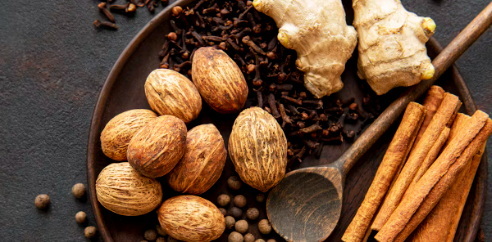
Applications of Cinnamon Bark Extract
Cinnamon bark extract can be used in various culinary applications:
1. Beverages: Add a warm, spicy depth to teas, coffees, and smoothies.
2. Baked Goods: Enhance the flavor of cakes, cookies, and pastries without adding refined sugars.
3. Dressings and Marinades: Use as a flavorful addition to salad dressings and marinades for meats.
4. Desserts: Complement ice creams and gelatos with a hint of cinnamon.
5. Savory Dishes: Add depth to soups, stews, and curries.
Challenges and Limitations
While cinnamon bark extract offers numerous benefits, there are challenges to its widespread adoption as a sweetener:
1. Flavor Profile: Cinnamon's distinct flavor may not appeal to everyone, limiting its use in certain recipes.
2. Sweetness Level: Cinnamon is not as sweet as sugar or other natural sweeteners like stevia or monk fruit, requiring creative combinations to achieve desired sweetness levels.
3. Regulatory Status: The regulatory status of cinnamon as a sweetener may vary by region, affecting its availability and labeling.
4. Cost: Compared to some other natural sweeteners, cinnamon bark extract might be more expensive, depending on the quality and source.
5. Sustainability: The sustainability of cinnamon production is a concern, as over-harvesting can impact local ecosystems.
Sustainability and Environmental Impact
Cinnamon is typically harvested from the bark of cinnamon trees, which can be a sustainable practice if managed properly. However, over-harvesting can lead to deforestation and environmental degradation. Consumers should look for sustainably sourced cinnamon products to support environmentally friendly practices.
Cultural Significance of Cinnamon
Cinnamon has been a prized spice throughout history, used not only for its culinary value but also for its medicinal properties. In many cultures, cinnamon is a symbol of warmth and hospitality, often used in traditional dishes during special occasions.
Future Prospects
As the demand for natural sweeteners continues to grow, cinnamon bark extract may find new applications in food technology. Innovations in extraction methods could enhance its sweetness-enhancing properties, making it more viable as a sweetener alternative.
Conclusion
Cinnamon bark extract is a promising natural alternative with potential health benefits, particularly in blood sugar management and digestive health. However, its use as a primary sweetener is limited by its flavor profile and sweetness level. It can be effectively used in combination with other sweeteners or as a flavor enhancer in various recipes. As consumers increasingly seek natural and healthier options, cinnamon bark extract could play a significant role in the culinary world.
Frequently Asked Questions
1. What are the primary health benefits of cinnamon bark extract?
Cinnamon bark extract is known for its ability to help manage blood sugar levels, improve digestion, and provide antioxidant benefits.
2. Can cinnamon bark extract be used as a direct replacement for sugar?
While cinnamon enhances flavors, it is not as sweet as sugar and may not be suitable as a direct replacement in all recipes.
3. How does cinnamon bark extract compare to stevia or monk fruit in terms of sweetness?
Cinnamon is not as sweet as stevia or monk fruit, which are both highly sweet natural sweeteners. Cinnamon is more about flavor enhancement than sweetness.
4. Are there any potential side effects of consuming cinnamon bark extract?
Cinnamon is generally safe, but high doses can cause stomach upset. It may also interact with diabetes medications, so caution is advised.
5. Can cinnamon bark extract be used in vegan recipes?
Yes, cinnamon bark extract is vegan-friendly and can be used in a variety of vegan recipes to add flavor and depth.
Citations:
[1] https://www.reddit.com/r/Lightbulb/comments/150pnpv/cinnamon_based_artificial_sweetener_that_is/
[2] https://www.foodandnutritionjournal.org/volume13number1/the-battle-of-natural-sweeteners-a-comprehensive-guide-to-monk-fruit-and-stevia/
[3] https://www.sohu.com/a/709996522_121124350
[4] https://www.gulfood.com/gulfood-2025-products/all-natural-vegan-sugar-free-alcohol-free-ceylon-cinnamon-bark-extract
[5] https://www.bhs-tabletop.com/en-en/blog/post/natural-sweeteners-the-sweet-revolution/
[6] https://patents.google.com/patent/CN101072515A/zh
[7] https://drvegan.com/pages/ceylon-cinnamon-bark-extract-cinnamomum-zeylanicum
[8] https://www.healthline.com/nutrition/healthy-natural-sweeteners
[9] https://www.rxlist.com/supplements/cinnamon_bark.htm
