

Is Cinnamon Bark Extract More Profitable Than Other Botanical Extracts for Manufacturers?
Is Cinnamon Bark Extract More Profitable Than Other Botanical Extracts for Manufacturers?
标签arcclick报错:缺少属性 aid 值。
Content Menu
● Introduction to Cinnamon Bark Extract
>> Health Benefits of Cinnamon Bark Extract
>> Applications in Food and Beverages
● Market Trends and Profitability
>> Advantages of Modern Extraction Techniques
>> Strategic Partnerships and Market Growth
● Comparison with Other Botanical Extracts
● Production Process and Cost Considerations
● Regulatory Framework and Compliance
● Consumer Awareness and Marketing Strategies
● FAQ
>> 1. What are the primary health benefits of cinnamon bark extract?
>> 2. How does the extraction method affect the quality of cinnamon bark extract?
>> 3. What are the key factors influencing the cost of cinnamon bark extract?
>> 4. How does cinnamon bark extract compare to other botanical extracts in terms of market growth?
>> 5. What role do strategic partnerships play in the cinnamon bark extract market?
The market for botanical extracts has experienced significant growth in recent years, driven by increasing consumer demand for natural and health-conscious products. Among these extracts, cinnamon bark extract has emerged as a particularly promising ingredient due to its rich bioactive compounds and versatile applications. This article explores whether cinnamon bark extract is more profitable than other botanical extracts for manufacturers, examining its market trends, production processes, and competitive advantages.
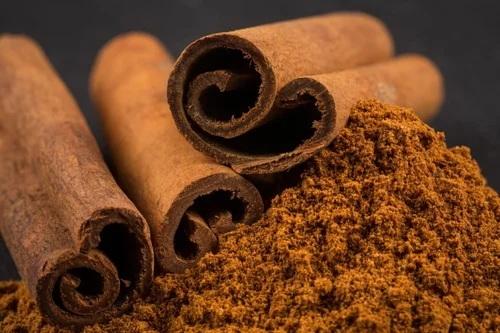
Introduction to Cinnamon Bark Extract
Cinnamon bark extract is derived from the bark of the cinnamon tree, primarily Cinnamomum verum or Cinnamomum cassia. It is renowned for its antioxidant, anti-inflammatory, and antimicrobial properties, making it a popular ingredient in health supplements, functional foods, and beverages.
Health Benefits of Cinnamon Bark Extract
Cinnamon bark extract is known for its potential to support heart health, regulate blood sugar levels, and reduce inflammation. These benefits are attributed to its high concentration of bioactive compounds, such as cinnamaldehyde, which are more potent in extract form compared to raw cinnamon.
Applications in Food and Beverages
Cinnamon bark extract is widely used in the food and beverage industry due to its flavor and preservative properties. It is often added to baked goods, desserts, and beverages to enhance taste and extend shelf life.
Market Trends and Profitability
The market for cinnamon bark extract is expanding rapidly due to advancements in extraction technologies and increasing consumer awareness of its health benefits. Modern extraction methods, such as supercritical CO2 extraction, have improved the purity and potency of the extract, making it more appealing to manufacturers.
Advantages of Modern Extraction Techniques
- Efficiency and Consistency: Modern extraction techniques allow for higher yields and consistent quality, reducing production costs and enhancing product reliability.
- Environmental Sustainability: Eco-friendly extraction processes appeal to environmentally conscious consumers, enhancing brand reputation and marketability.
Strategic Partnerships and Market Growth
Companies in the spice extraction, health supplements, and food manufacturing industries are forming strategic partnerships to integrate cinnamon extract into their product lines. These collaborations provide access to new technologies, broader market reach, and enhanced product development capabilities.
Comparison with Other Botanical Extracts
While cinnamon bark extract offers significant profitability due to its versatility and health benefits, other botanical extracts also have their unique advantages.
Turmeric Extract
Turmeric extract, rich in curcumin, is known for its anti-inflammatory properties and is widely used in dietary supplements and functional foods. However, its market growth is somewhat slower compared to cinnamon due to higher production costs and less diverse applications.
Comparison of Cinnamon and Turmeric Extracts
| Feature | Cinnamon Bark Extract | Turmeric Extract |
|---|---|---|
| Health Benefits | Anti-inflammatory, Antimicrobial | Anti-inflammatory |
| Market Growth | Rapidly Expanding | Steady Growth |
| Production Cost | Moderate | Higher |
Ginseng Extract
Ginseng extract is valued for its adaptogenic properties and is popular in traditional medicine. However, its market is more niche compared to cinnamon, with higher production costs due to the difficulty in cultivating ginseng.
Green Tea Extract
Green tea extract, rich in catechins, is known for its antioxidant properties and is widely used in health supplements and beverages. Its market is substantial, but competition is high, which can impact profitability.

Production Process and Cost Considerations
The production process for cinnamon bark extract involves several steps, including grinding, extraction, and drying. The choice of extraction method significantly affects the quality and cost of the final product.
Extraction Methods
- Organic Solvent Extraction: Commonly used for its efficiency, but may leave residues.
- Supercritical CO2 Extraction: Offers high purity and is eco-friendly, but requires significant initial investment.
Cost Considerations
The cost of cinnamon bark extract can vary significantly based on the supplier, quality, and extraction method. Prices range from $1 to $68 per kilogram, with discounts available for bulk purchases.
Cost Comparison of Different Extraction Methods
| Extraction Method | Cost per Kilogram | Quality |
|---|---|---|
| Organic Solvent | $10-$30 | Moderate |
| Supercritical CO2 | $20-$50 | High |
Regulatory Framework and Compliance
Manufacturers must comply with regulatory standards to ensure the quality and safety of cinnamon bark extract. This includes adhering to Good Manufacturing Practices (GMP) and obtaining necessary certifications such as ISO 9001 and HACCP.
Consumer Awareness and Marketing Strategies
Consumer awareness of the health benefits of cinnamon bark extract plays a crucial role in driving demand. Effective marketing strategies, including social media campaigns and influencer partnerships, can significantly enhance product visibility and sales.
Conclusion
Cinnamon bark extract presents a highly profitable opportunity for manufacturers due to its diverse health benefits, versatile applications, and growing consumer demand. While other botanical extracts like turmeric and ginseng have their advantages, cinnamon's broad market appeal and relatively lower production costs make it a more attractive choice for many businesses.
FAQ
1. What are the primary health benefits of cinnamon bark extract?
Cinnamon bark extract is known for its antioxidant, anti-inflammatory, and antimicrobial properties. It may help regulate blood sugar levels, improve heart health, and reduce inflammation.
2. How does the extraction method affect the quality of cinnamon bark extract?
The extraction method significantly impacts the quality of cinnamon bark extract. Supercritical CO2 extraction offers higher purity and is eco-friendly, while organic solvent extraction may leave residues but is more cost-effective initially.
3. What are the key factors influencing the cost of cinnamon bark extract?
The cost of cinnamon bark extract is influenced by factors such as the supplier, quality, extraction method, and bulk purchase discounts. Prices can range from $1 to $68 per kilogram.
4. How does cinnamon bark extract compare to other botanical extracts in terms of market growth?
Cinnamon bark extract is experiencing rapid market growth due to its diverse applications and health benefits. In comparison, turmeric and ginseng extracts have more niche markets with slower growth rates.
5. What role do strategic partnerships play in the cinnamon bark extract market?
Strategic partnerships between manufacturers and suppliers are crucial for accessing new technologies, expanding market reach, and enhancing product development capabilities, thereby driving market growth.
Citations:
[1] https://www.marketresearchintellect.com/blog/the-rise-of-cinnamon-bark-extract-powder-a-game-changer-in-health-conscious-food-products/
[2] https://patents.google.com/patent/CN103865653A/en
[3] https://huggingface.co/openbmb/cpm-bee-1b/commit/bd72a61dd7a59086ed7456f1dfcaa995c8ec58a3.diff
[4] https://www.botaniex.com/which-cinnamon-bark-extract-makers-offer-the-best-deals-for-bulk-purchases.html
[5] https://patents.google.com/patent/CN107496269A/en
[6] https://www.buffaloextracts.com/cinnamon-extraction-in-Indonesia.html
[7] http://www.orientjchem.org/vol30no1/extraction-of-essential-oil-from-cinnamon-cinnamomum-zeylanicum/
[8] https://www.databridgemarketresearch.com/reports/global-cinnamon-extract-market
