

Is Cinnamon Bark Extract More Effective Than Tea Tree Oil for Acne Treatment?
Is Cinnamon Bark Extract More Effective Than Tea Tree Oil for Acne Treatment?
标签arcclick报错:缺少属性 aid 值。
Content Menu
● Introduction to Acne and Its Causes
● Comparison of Cinnamon Bark Extract and Tea Tree Oil
>> Efficacy
>> Side Effects
● Additional Considerations for Acne Treatment
● FAQs
>> 1. What are the main causes of acne?
>> 2. How does cinnamon bark extract work against acne?
>> 3. What are the potential side effects of using tea tree oil for acne?
>> 4. Can cinnamon bark extract be used in combination with other acne treatments?
>> 5. How should cinnamon bark extract and tea tree oil be formulated for acne treatment?
Acne is a common skin condition that affects millions of people worldwide, causing significant distress and impacting quality of life. Traditional treatments often involve antibiotics, which can lead to resistance and side effects. As a result, natural alternatives like cinnamon bark extract and tea tree oil have gained popularity for their potential antibacterial properties. In this article, we will explore whether cinnamon bark extract is more effective than tea tree oil for acne treatment, examining their properties, efficacy, and potential side effects.
Introduction to Acne and Its Causes
Acne is primarily caused by the blockage of hair follicles and pores due to excess sebum production, dead skin cells, and bacteria like Propionibacterium acnes (P. acnes). Effective treatments aim to reduce bacterial growth, inflammation, and sebum production.
Acne Pathogenesis
- Bacterial Involvement: P. acnes plays a crucial role in acne development by breaking down sebum into fatty acids, which irritate the skin and cause inflammation.
- Inflammation: The immune response to P. acnes leads to the release of inflammatory mediators, exacerbating acne symptoms.
- Sebum Production: Excessive sebum provides an ideal environment for bacterial growth.
Cinnamon Bark Extract
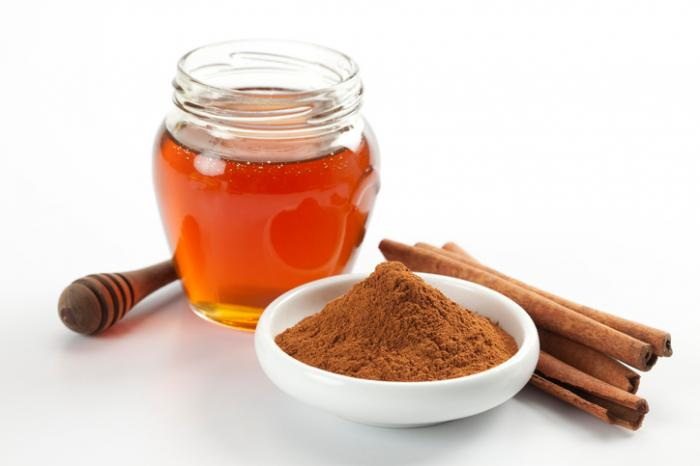
Cinnamon bark extract, derived from Cinnamomum species, is rich in cinnamaldehyde, a compound known for its antibacterial, anti-inflammatory, and antioxidant properties.
Antibacterial Activity
- Against P. acnes: Studies have shown that cinnamon bark extract exhibits significant antibacterial activity against P. acnes, with a minimum inhibitory concentration (MIC) of 256 µg/mL.
- Combination with Honey: The combination of cinnamon bark extract and honey has been found to enhance antibacterial effects against acne-causing bacteria.
Anti-inflammatory Effects
Cinnamaldehyde in cinnamon bark extract can reduce inflammation by blocking the production of pro-inflammatory cytokines, making it beneficial for reducing acne-related inflammation.
Antioxidant Activity
Cinnamon bark extract also possesses antioxidant properties, which can help protect the skin from oxidative stress and promote healing.
Clinical Studies
A study on topical cinnamon gel demonstrated a significant reduction in acne lesions and inflammation, suggesting its efficacy as an anti-acne treatment. Another study highlighted the potential of cinnamon bark extract in reducing the severity of acne by modulating the skin's microbiome.
Formulation and Stability
Cinnamon bark extract is often formulated into nanoemulgels or gels to enhance stability and skin penetration. This formulation helps maintain the active compounds' potency and ensures consistent delivery to the skin.
Tea Tree Oil
Tea tree oil, derived from Melaleuca alternifolia, is widely recognized for its antimicrobial properties, particularly against P. acnes.
Antibacterial Activity
- Against P. acnes: Tea tree oil has been shown to inhibit the growth of P. acnes, although its effectiveness can vary based on concentration and formulation.
- Concentration: Typically, a concentration of 3-5% is used for acne treatment, though higher concentrations may be more effective but also riskier for skin irritation.
Anti-inflammatory Effects
Tea tree oil also exhibits anti-inflammatory properties, which can help reduce redness and swelling associated with acne.
Clinical Studies
Studies have demonstrated that tea tree oil can reduce acne severity, though it may not be as effective as benzoyl peroxide in some cases. A comparative study between tea tree oil and benzoyl peroxide found that while both treatments were effective, benzoyl peroxide showed faster results.
Safety and Side Effects
Tea tree oil can cause skin irritation, especially if used undiluted or at high concentrations. It should be diluted with a carrier oil and used cautiously to minimize adverse effects.
Comparison of Cinnamon Bark Extract and Tea Tree Oil
Efficacy
- Cinnamon Bark Extract: Offers strong antibacterial activity against P. acnes, with additional anti-inflammatory and antioxidant effects.
- Tea Tree Oil: Known for its antimicrobial properties, though its anti-inflammatory effects might be less pronounced compared to cinnamon bark extract.
Side Effects
- Cinnamon Bark Extract: Generally well-tolerated, though some individuals may experience mild skin irritation.
- Tea Tree Oil: Can cause skin irritation, especially at higher concentrations, and should be used with caution.
Stability and Formulation
- Cinnamon Bark Extract: Often formulated into nanoemulgels or gels to enhance stability and skin penetration.
- Tea Tree Oil: Typically used in its essential oil form, requiring careful dilution to avoid irritation.
Cost-Effectiveness
Cinnamon bark extract may be more cost-effective in the long term due to its potential for fewer side effects and the need for less frequent application. Tea tree oil, while widely available, requires careful dilution and may need more frequent application to maintain efficacy.
Additional Considerations for Acne Treatment
Lifestyle Changes
In addition to using natural treatments, lifestyle changes can significantly impact acne management. These include maintaining a balanced diet rich in fruits and vegetables, staying hydrated, and avoiding excessive sun exposure.
Dietary Influence
Certain foods, such as dairy products and refined carbohydrates, may exacerbate acne in some individuals. Avoiding these foods and incorporating omega-3 fatty acids and antioxidants into the diet can help reduce inflammation and promote clearer skin.
Stress Management
Stress can trigger hormonal changes that worsen acne. Engaging in stress-reducing activities like meditation or yoga can help manage stress levels and improve overall skin health.
Skincare Routine
A consistent skincare routine that includes gentle cleansing, moisturizing, and sun protection can help manage acne and prevent future breakouts.
Conclusion
Both cinnamon bark extract and tea tree oil have potential as natural treatments for acne due to their antibacterial properties. However, cinnamon bark extract may offer additional benefits through its anti-inflammatory and antioxidant effects, making it a promising alternative for those seeking a more holistic approach to acne management. Further clinical trials are needed to fully compare their efficacy and safety profiles.

FAQs
1. What are the main causes of acne?
Acne is primarily caused by the blockage of hair follicles due to excess sebum, dead skin cells, and bacteria like P. acnes. Inflammation and hormonal changes can also play a role.
2. How does cinnamon bark extract work against acne?
Cinnamon bark extract works by inhibiting the growth of P. acnes through its antibacterial properties, reducing inflammation, and providing antioxidant protection to the skin.
3. What are the potential side effects of using tea tree oil for acne?
Tea tree oil can cause skin irritation, especially if used undiluted or at high concentrations. It should be diluted with a carrier oil and used cautiously.
4. Can cinnamon bark extract be used in combination with other acne treatments?
Yes, cinnamon bark extract can be combined with other treatments, such as honey, to enhance its antibacterial effects. However, it is advisable to consult a healthcare professional before combining treatments.
5. How should cinnamon bark extract and tea tree oil be formulated for acne treatment?
Cinnamon bark extract is often formulated into nanoemulgels or gels for better stability and skin penetration. Tea tree oil should be diluted with a carrier oil and used in concentrations between 3-5% for acne treatment.
Citations:
[1] https://pharmacyeducation.fip.org/pharmacyeducation/article/view/3009
[2] https://pmc.ncbi.nlm.nih.gov/articles/PMC5489923/
[3] https://huggingface.co/openbmb/VisCPM-Chat/raw/main/vocab.txt
[4] https://bmrat.biomedpress.org/index.php/BMRAT/article/view/515
[5] https://rjptonline.org/AbstractView.aspx?PID=2022-15-1-23
[6] https://actascientific.com/ASMS/pdf/ASMS-08-1914.pdf
[7] https://www.sciencedirect.com/science/article/abs/pii/S2210803324000265
[8] https://www.mdpi.com/2218-0532/85/2/19
