

How To Get Green Tea Extract?
How To Get Green Tea Extract?
标签arcclick报错:缺少属性 aid 值。
Content Menu
● Commercial Production Process
>> Selection and Preparation of Tea Leaves
>> Concentration and Purification
● Home-Based Extraction Methods
Introduction
Green tea extract has emerged as one of the most sought-after natural supplements in the health and wellness industry. This concentrated form of green tea contains powerful compounds, particularly catechins and polyphenols, that offer numerous health benefits. This comprehensive guide will explore various methods of obtaining green tea extract, from commercial production to home-based extraction techniques, while also discussing its benefits and applications.

Commercial Production Process
The commercial production of green tea extract involves a sophisticated series of steps designed to maximize the concentration of beneficial compounds. The process begins with carefully selected high-quality tea leaves, which undergo multiple stages of processing to ensure optimal extraction of active ingredients.
Selection and Preparation of Tea Leaves
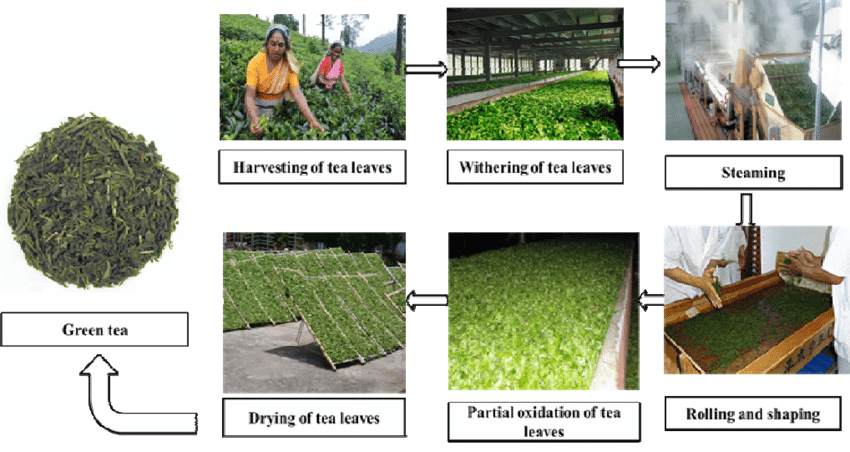
The journey begins with the careful selection of premium green tea leaves. These leaves are harvested at their peak of freshness, typically in the early morning when their beneficial compounds are most concentrated. The leaves undergo initial processing, including withering and steaming, to preserve their natural properties and prevent oxidation.
Extraction Process
The extraction process represents the core of green tea extract production. The prepared leaves are ground into a fine powder to increase surface area and improve extraction efficiency. Various extraction methods may be employed, including:
◆ Solvent Extraction
◆ Supercritical Fluid Extraction
◆ Hot Water Extraction
◆ Dynamic Extraction
Concentration and Purification
After extraction, the liquid extract undergoes concentration through evaporation or membrane filtration. This step removes excess water and increases the concentration of active compounds. The concentrated extract then passes through multiple purification stages to remove unwanted substances and ensure product quality.
Home-Based Extraction Methods
For those interested in creating green tea extract at home, several methods can be employed, though they may not be as concentrated as commercial products. Here are the main approaches:
Water-Based Extraction
This traditional method involves steeping green tea leaves in hot water at a controlled temperature. The process requires:
◆ High-quality green tea leaves
◆ Purified water
◆ Temperature control (70-80°C)
◆ Extended steeping time (15-20 minutes)
◆ Proper filtration
Alcohol-Based Extraction
This method can yield a more concentrated extract:
◆ Use food-grade alcohol (vodka or grain alcohol)
◆ Combine with crushed green tea leaves
◆ Store in a dark place for 4-6 weeks
◆ Strain and store in dark bottles
Applications and Uses
Green tea extract has diverse applications across various industries:
Dietary Supplements
◆ Capsules and tablets
◆ Powder form for smoothies
◆ Liquid extracts for beverages
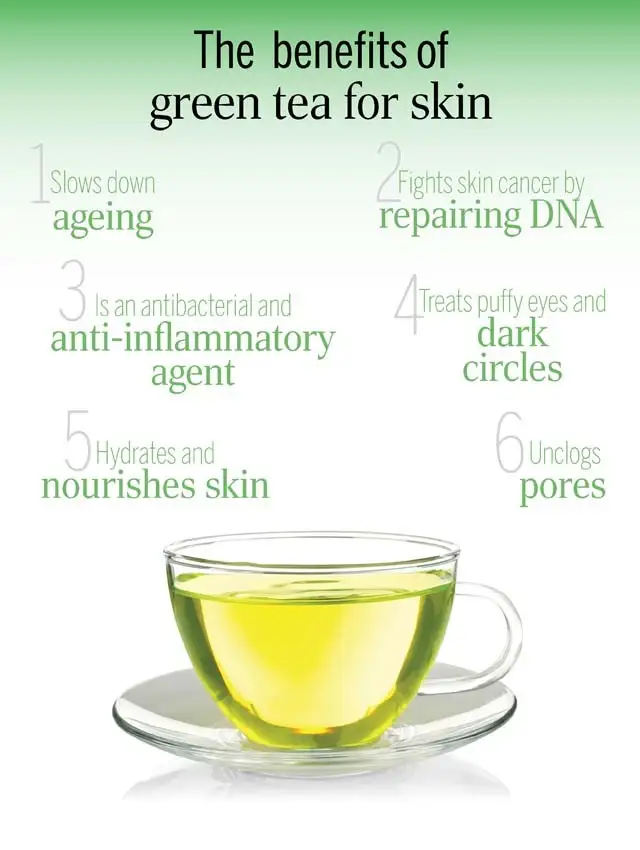
Cosmetic Applications
◆ Skin care products
◆ Hair care formulations
◆ Anti-aging treatments
Food and Beverage Industry
◆ Natural flavoring
◆ Functional food ingredients
◆ Health beverages
Quality Considerations
When producing or purchasing green tea extract, several factors should be considered:
Quality Indicators
◆ Catechin content
◆ EGCG concentration
◆ Purity levels
◆ Standardization
◆ Third-party testing results
Storage Requirements
◆ Cool, dry place
◆ Protection from light
◆ Airtight containers
◆ Temperature control
◆ Humidity monitoring
Conclusion
Green tea extract represents a valuable concentration of beneficial compounds found in green tea. Whether obtained through commercial production or home-based methods, the quality of the final product depends significantly on the extraction process and starting materials used. Understanding these processes helps in making informed decisions about producing or purchasing green tea extract for various applications.
Frequently Asked Questions
Q: What is the optimal temperature for green tea extraction?
A: The optimal temperature for green tea extraction is typically between 70-80°C (158-176°F). Higher temperatures can degrade the beneficial compounds.
Q: How long does home-made green tea extract last?
A: Home-made water-based extracts typically last 1-2 weeks when refrigerated. Alcohol-based extracts can last up to 6 months when properly stored.
Q: What is the recommended daily dosage of green tea extract?
A: The recommended daily dosage varies but typically ranges from 250-500mg of standardized extract. Always consult healthcare providers before starting supplementation.
Q: Can green tea extract be made without caffeine?
A: Yes, decaffeinated green tea leaves can be used for extraction, or commercial processes can remove caffeine while maintaining other beneficial compounds.
Q: What are the main differences between commercial and home-made green tea extract?
A: Commercial extracts are typically more concentrated, standardized, and have longer shelf life compared to home-made versions. They also undergo strict quality control measures and purification processes.
