

How Does Cinnamon Bark Extract Compare To Cloves for Preserving Food?
How Does Cinnamon Bark Extract Compare To Cloves for Preserving Food?
标签arcclick报错:缺少属性 aid 值。
Content Menu
● Introduction to Cinnamon Bark Extract and Cloves
>> Cloves
● Comparison of Cinnamon Bark Extract and Cloves
>> Antimicrobial Effectiveness
>> Safety and Regulatory Considerations
● Applications in Food Preservation
>> Cinnamon Bark Extract Applications
● Future Trends and Challenges
>> Challenges
● Advanced Preservation Techniques
>> Combination with Other Preservatives
● Consumer Preferences and Market Trends
● FAQ
>> 2. How do cinnamon and cloves compare in terms of flavor and aroma?
>> 3. What are some common applications of cinnamon bark extract in food preservation?
>> 4. What are the regulatory considerations for using cinnamon and cloves as preservatives?
>> 5. What future trends can be expected in the use of cinnamon and cloves as natural preservatives?
Food preservation is a crucial aspect of ensuring the safety and quality of food products. Traditional methods often rely on synthetic preservatives, but there is a growing interest in natural alternatives like cinnamon bark extract and cloves. Both cinnamon and cloves have been used for centuries due to their antimicrobial properties, which help extend the shelf life of food by inhibiting the growth of bacteria, yeast, and mold.
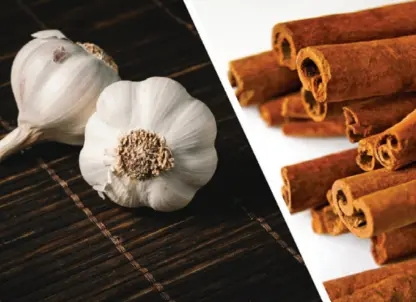
Introduction to Cinnamon Bark Extract and Cloves
Cinnamon bark extract and cloves are both derived from plants and have been widely used in culinary and medicinal applications. Cinnamon, primarily obtained from the bark of the Cinnamomum verum tree, is renowned for its warm, sweet flavor and aroma. Cloves, derived from the flower buds of the Syzygium aromaticum tree, are known for their strong, pungent flavor.
Cinnamon Bark Extract
Cinnamon bark extract is rich in compounds like cinnamaldehyde, which is responsible for its antimicrobial properties. This extract has been used to preserve various food products, including meats, fruits, and baked goods. Its effectiveness in controlling microbial growth makes it a promising natural preservative.
Cinnamon's Antimicrobial Properties:
Cinnamon's ability to fight bacteria and fungi is attributed to its high concentration of cinnamaldehyde. This compound disrupts the cell membranes of microorganisms, ultimately leading to their death. As a result, cinnamon can be used to extend the shelf life of perishable foods.
Cloves
Cloves contain eugenol, a compound with potent antimicrobial properties. Eugenol is effective against a wide range of microorganisms, making cloves a valuable ingredient in food preservation. Cloves have been traditionally used in preserving meats and sauces due to their strong flavor and preservative qualities.
Cloves' Antimicrobial Properties:
Similar to cinnamon, cloves owe their preservative properties to eugenol. This compound is known for its ability to inhibit microbial growth, thereby extending the shelf life of food products.
Comparison of Cinnamon Bark Extract and Cloves
Both cinnamon bark extract and cloves are effective natural preservatives, but they have different characteristics and applications.
Antimicrobial Effectiveness
- Cinnamon Bark Extract: Cinnamon's cinnamaldehyde is highly effective against a broad spectrum of bacteria and fungi, making it suitable for preserving a variety of foods, including fruits and meats.
- Cloves: Cloves' eugenol is also potent against microorganisms, but its strong flavor may limit its use in certain food products. Cloves are often used in combination with other spices to enhance their preservative effects.
Flavor and Aroma
- Cinnamon Bark Extract: Cinnamon adds a warm, sweet flavor to foods, which is desirable in many culinary applications. Its aroma is also pleasant and can enhance the sensory appeal of preserved foods.
- Cloves: Cloves have a strong, pungent flavor that can overpower other ingredients. This limits their use in foods where a subtle flavor is preferred.
Safety and Regulatory Considerations
- Cinnamon Bark Extract: The FDA regulates the use of cinnamon in food products, particularly concerning coumarin levels. Cinnamon is generally recognized as safe (GRAS) when used within recommended limits.
- Cloves: Cloves are also GRAS, but high concentrations of eugenol can be toxic. Therefore, cloves must be used judiciously to avoid adverse effects.
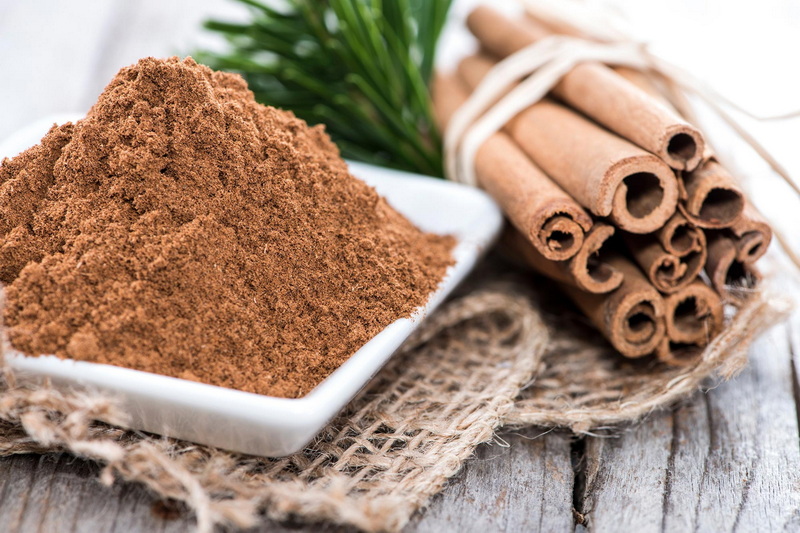
Applications in Food Preservation
Both cinnamon bark extract and cloves have been used in various food preservation methods.
Cinnamon Bark Extract Applications
- Fruits and Vegetables: Cinnamon can be used to extend the shelf life of fruits and vegetables by inhibiting microbial growth. It is often incorporated into packaging materials or applied directly to the produce.
- Meats and Poultry: Cinnamon's antimicrobial properties make it effective in preserving meats by controlling bacterial growth.
Cloves Applications
- Sauces and Marinades: Cloves are commonly used in sauces and marinades due to their strong flavor and preservative properties. They help prevent spoilage and extend the shelf life of these products.
- Meat Preservation: Cloves can be used to preserve meats, particularly in combination with other spices to enhance their antimicrobial effects.
Future Trends and Challenges
The use of natural preservatives like cinnamon bark extract and cloves is gaining traction as consumers seek healthier and more sustainable food options.
Future Trends
- Encapsulation Technology: Encapsulating cinnamon essential oil and clove extracts can improve their stability and effectiveness as preservatives. This technology enhances the delivery of these compounds, making them more efficient in food preservation.
- Composite Preservatives: Combining cinnamon and clove extracts with other natural preservatives can create more potent and versatile preservation systems. This approach allows for tailored preservative solutions for different food products.
Challenges
- Regulatory Compliance: Ensuring compliance with regulatory guidelines is crucial when using natural preservatives. This includes monitoring coumarin levels in cinnamon and eugenol levels in cloves to avoid toxicity.
- Flavor Impact: The strong flavors of cloves and cinnamon can affect the taste of preserved foods. Balancing flavor with preservative efficacy is a challenge in food product development.
Advanced Preservation Techniques
In addition to traditional methods, advanced techniques are being explored to enhance the effectiveness of cinnamon and cloves as preservatives.
Nanotechnology
Nanotechnology offers a promising approach by encapsulating cinnamon and clove extracts into nanoparticles. This method improves the bioavailability and stability of these compounds, enhancing their antimicrobial effects.
Combination with Other Preservatives
Combining cinnamon and cloves with other natural preservatives, such as rosemary extract or garlic, can create synergistic effects that enhance preservation efficacy. This approach allows for reduced concentrations of individual preservatives while maintaining or improving their effectiveness.
Consumer Preferences and Market Trends
Consumer demand for natural and organic products is driving the market towards more sustainable food preservation methods.
Consumer Awareness
Consumers are increasingly aware of the health benefits associated with natural preservatives. This awareness has led to a preference for products labeled as "natural" or "organic," creating a market opportunity for cinnamon and clove-based preservatives.
Market Growth
The market for natural preservatives is expected to grow significantly as consumers seek healthier alternatives to synthetic preservatives. Cinnamon and cloves, with their established antimicrobial properties, are poised to play a significant role in this trend.
Conclusion
Cinnamon bark extract and cloves are both valuable natural preservatives with distinct characteristics and applications. Cinnamon is noted for its broad antimicrobial spectrum and pleasant flavor, while cloves offer a strong preservative effect with a pungent taste. As the demand for natural food preservation methods grows, these spices will continue to play significant roles in extending the shelf life of various food products.
FAQ
1. What are the primary compounds responsible for the preservative properties of cinnamon and cloves?
- Cinnamon: Cinnamaldehyde is the main compound responsible for cinnamon's antimicrobial effects.
- Cloves: Eugenol is the primary compound in cloves that acts as a preservative.
2. How do cinnamon and cloves compare in terms of flavor and aroma?
- Cinnamon: Offers a warm, sweet flavor and aroma.
- Cloves: Have a strong, pungent flavor and aroma.
3. What are some common applications of cinnamon bark extract in food preservation?
- Cinnamon is used to preserve fruits, vegetables, meats, and baked goods.
4. What are the regulatory considerations for using cinnamon and cloves as preservatives?
- Both must be used within recommended limits to avoid toxicity, particularly concerning coumarin in cinnamon and eugenol in cloves.
5. What future trends can be expected in the use of cinnamon and cloves as natural preservatives?
- Encapsulation technology and composite preservatives are emerging trends that enhance the effectiveness and versatility of these natural preservatives.
Citations:
[1] https://cremefilledchurros.com/cinnamon-as-a-natural-preservative-how-its-used-in-food-science/
[2] https://www.sciencedirect.com/science/article/abs/pii/S000186862300132X
[3] https://patents.google.com/patent/CN110477092A/zh
[4] https://www.jsr.org/hs/index.php/path/article/view/7071
[5] https://pmc.ncbi.nlm.nih.gov/articles/PMC9914695/
[6] https://patents.google.com/patent/DE102014007937A1/en
[7] https://pmc.ncbi.nlm.nih.gov/articles/PMC4571215/
[8] https://pmc.ncbi.nlm.nih.gov/articles/PMC4586554/
[9] https://patents.google.com/patent/CN103313612A/zh
