

How Does Banaba Leaf Extract Contribute To Functional Foods?
How Does Banaba Leaf Extract Contribute To Functional Foods?
标签arcclick报错:缺少属性 aid 值。
Content Menu
● Introduction to Banaba Leaf Extract
>> Key Components of Banaba Leaf Extract
● Benefits of Banaba Leaf Extract
>> 5. Potential Anticancer Effects
● Applications in Functional Foods
>> Potential Formulations with Other Ingredients
● Market Trends and Future Prospects
● FAQs
>> 1. What are the primary benefits of Banaba leaf extract?
>> 2. How does Banaba leaf extract aid in weight management?
>> 3. Can Banaba leaf extract be combined with other ingredients for enhanced benefits?
>> 4. Is Banaba leaf extract safe for consumption?
>> 5. What are some common forms of Banaba leaf extract products?
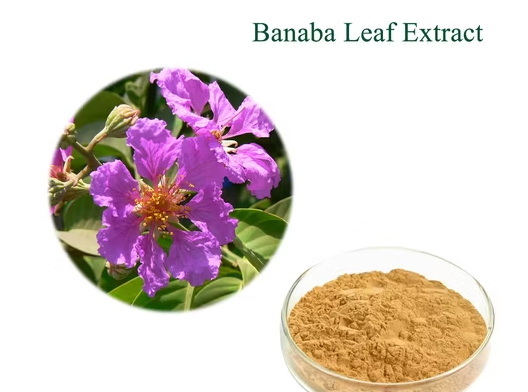
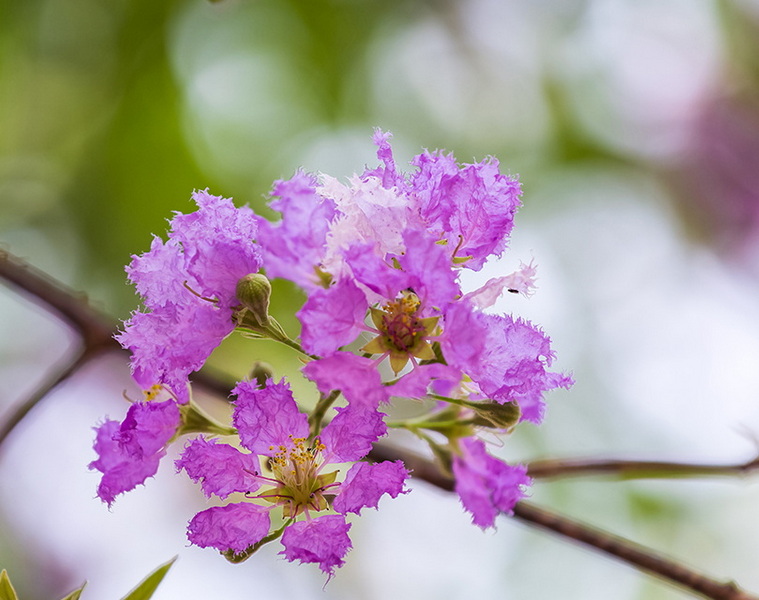
Banaba leaf extract, derived from the Lagerstroemia speciosa tree, has been gaining significant attention in the health and wellness industry for its potential benefits in managing blood sugar levels, supporting antioxidant functions, and aiding in weight management. This article explores how Banaba leaf extract contributes to functional foods, highlighting its benefits, applications, and potential formulations.

Introduction to Banaba Leaf Extract
Banaba leaves have been used in traditional medicine for centuries, particularly in Southeast Asia. They are rich in bioactive compounds such as corosolic acid, oleanolic acid, and asiatic acid, which contribute to their anti-diabetic and antioxidant properties.
Key Components of Banaba Leaf Extract
- Corosolic Acid: This compound mimics insulin by enhancing glucose uptake into cells, thereby reducing blood sugar levels.
- Oleanolic Acid: Known for its antioxidant properties, it helps in reducing oxidative stress.
- Asiatic Acid: Contributes to the anti-diabetic effects of Banaba leaf extract.
Benefits of Banaba Leaf Extract
1. Blood Sugar Regulation
Banaba leaf extract is primarily recognized for its role in lowering blood glucose levels. Corosolic acid enhances insulin sensitivity and glucose uptake, significantly reducing blood sugar levels within 60 minutes in human subjects. This rapid effect makes it a promising natural remedy for managing blood sugar spikes.
2. Antioxidant Properties
The extract contains antioxidants like ellagic acid and gallic acid, which help neutralize free radicals and reduce oxidative stress. This antioxidant activity can safeguard the pancreas from damage, further supporting its antidiabetic effects. Additionally, antioxidants play a crucial role in protecting against chronic diseases such as heart disease and certain cancers.
3. Weight Management
By improving insulin sensitivity and reducing blood sugar levels, Banaba leaf extract can help manage cravings and inhibit the formation of fat cells, thereby supporting weight loss efforts. Improved insulin function also enhances metabolism, which can aid in burning fat more efficiently.
4. Cardiovascular Health
Banaba leaf extract may aid in reducing cholesterol and triglyceride levels, contributing to improved cardiovascular health and a lower risk of heart disease. The antioxidant properties also help protect blood vessels from oxidative damage, further supporting heart health.
5. Potential Anticancer Effects
Preliminary research suggests that Banaba leaf extract may have anticancer effects by promoting programmed cell death in certain cancer cells. While more studies are needed to confirm these findings, the extract's potential in cancer prevention is promising.
Applications in Functional Foods
Functional foods are designed to provide health benefits beyond basic nutrition. Incorporating Banaba leaf extract into these products can enhance their nutritional value and appeal to consumers seeking natural health solutions.
Potential Formulations with Other Ingredients
Banaba leaf extract can be combined with other ingredients to create synergistic effects:
- Ginseng and Mulberry Combination: Enhances blood glucose regulation and antioxidant properties. Ginseng is known for its adaptogenic properties, which can complement the metabolic benefits of Banaba leaf extract.
- Moringa and Green Coffee Bean Combination: Supports weight management and improves body composition. Moringa provides additional antioxidant benefits, while green coffee bean extract aids in fat burning.
Safety and Efficacy
Banaba leaf extract is generally considered safe when consumed in recommended doses. However, it is crucial to ensure that the extract is sourced from reputable suppliers to maintain quality and efficacy. Individuals with diabetes should consult a healthcare provider before using it, as it may interact with diabetes medications.
Dosage Considerations
The typical dosage of Banaba leaf extract ranges from 10 to 48 mg per day, depending on the specific formulation and intended use. It is important to follow the recommended dosage to avoid potential side effects such as gastrointestinal upset.
Potential Side Effects
While Banaba leaf extract is generally well-tolerated, high doses may cause side effects like nausea, diarrhea, or stomach cramps. Monitoring blood sugar levels closely is advised, especially for individuals with diabetes.
Market Trends and Future Prospects
The demand for natural health products is on the rise, driven by consumer interest in holistic wellness solutions. Banaba leaf extract, with its proven benefits and natural origin, is poised to become a key ingredient in the development of functional foods and dietary supplements. As research continues to uncover its full potential, we can expect to see more innovative formulations incorporating Banaba leaf extract.
Emerging Applications
Beyond traditional supplements, Banaba leaf extract may find applications in beverages, baked goods, and other food products. Its inclusion in these products can enhance their nutritional profile and appeal to health-conscious consumers.
Regulatory Environment
Regulations regarding the use of Banaba leaf extract vary by country. In the United States, it is generally recognized as safe (GRAS) when used as an ingredient in foods. However, compliance with local regulations is essential for manufacturers.
Conclusion
Banaba leaf extract offers a promising natural solution for managing blood sugar levels and supporting overall health. Its incorporation into functional foods can enhance their nutritional value and appeal to health-conscious consumers. As research continues to uncover the full potential of Banaba leaf extract, it is likely to become a staple ingredient in the development of innovative health products.
FAQs
1. What are the primary benefits of Banaba leaf extract?
Banaba leaf extract is primarily beneficial for regulating blood sugar levels and providing antioxidant support. It contains compounds like corosolic acid, which mimics insulin and enhances glucose uptake into cells.
2. How does Banaba leaf extract aid in weight management?
By improving insulin sensitivity and reducing blood sugar levels, Banaba leaf extract can help manage cravings and inhibit the formation of fat cells, thereby supporting weight loss efforts.
3. Can Banaba leaf extract be combined with other ingredients for enhanced benefits?
Yes, combining Banaba leaf extract with ingredients like ginseng, mulberry leaves, Moringa oleifera, and green coffee bean extracts can create synergistic effects, particularly in managing blood glucose levels and supporting weight management.
4. Is Banaba leaf extract safe for consumption?
Banaba leaf extract is generally considered safe when consumed in recommended doses. However, individuals with diabetes should consult a healthcare provider before using it, as it may interact with diabetes medications.
5. What are some common forms of Banaba leaf extract products?
Banaba leaf extract can be found in supplements, teas, and as additives in various food products like baked goods and energy bars.
Citations:
[1] https://www.botaniex.com/what-are-the-best-ways-to-use-banaba-leaf-extract-in-functional-foods.html
[2] https://naturmedscientific.com/banaba-leaf/
[3] https://patents.google.com/patent/CN113142574A/zh
[4] https://pubmed.ncbi.nlm.nih.gov/39338524/
[5] https://www.verywellfit.com/the-benefits-of-banaba-89413
[6] https://pmc.ncbi.nlm.nih.gov/articles/PMC7163236/
[7] https://pmc.ncbi.nlm.nih.gov/articles/PMC3468018/
[8] https://pmc.ncbi.nlm.nih.gov/articles/PMC5067667/
[9] https://patents.google.com/patent/CN104621571A/zh
[10] https://patents.google.com/patent/CN108450771A/zh
