

Are there banaba benefits for kidney and liver function
Are there banaba benefits for kidney and liver function
标签arcclick报错:缺少属性 aid 值。Banaba (Lagerstroemia speciosa), a flowering tree native to Southeast Asia, has been a cornerstone of traditional medicine for centuries. While its blood sugar-regulating properties are widely recognized, a growing body of research points to its significant benefits for two vital organs: the kidneys and the liver. This article explores how banaba leaf extract supports kidney and liver function, and what the science says about its active compound, corosolic acid.
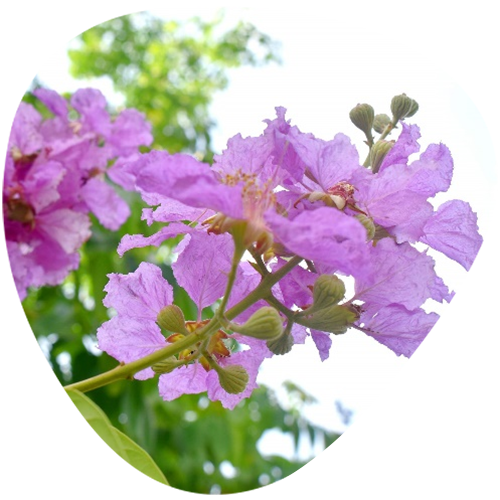
Traditional Use of Banaba for Kidney Health
In traditional Filipino and Southeast Asian medicine, banaba leaves have long been brewed into teas and decoctions specifically for kidney-related complaints. Historical records show that indigenous healers prescribed banaba for urinary tract issues, kidney inflammation, and as a general renal tonic. The leaves were believed to help flush out toxins and support the body's natural filtration system. This traditional knowledge laid the groundwork for modern scientific investigation into banaba's renoprotective effects.
Unlike many traditional remedies whose benefits remain anecdotal, banaba has attracted serious scientific attention. Researchers have identified several bioactive compounds in the leaves — most notably corosolic acid, ellagitannins, and gallic acid — that appear to work synergistically to protect kidney tissue from damage.
How Corosolic Acid Protects the Kidneys
The kidney-protective mechanism of banaba centers on its primary active compound, corosolic acid. This pentacyclic triterpenoid has demonstrated potent antioxidant and anti-inflammatory properties that directly benefit renal tissue. In a key animal study, corosolic acid was shown to significantly reduce markers of kidney damage — including serum creatinine, blood urea nitrogen, and proteinuria — in subjects with induced nephrotoxicity. The compound achieved this by lowering oxidative stress, suppressing pro-inflammatory pathways, and restoring the activity of natural antioxidant enzymes such as superoxide dismutase and catalase within kidney cells.
The mechanism at work involves the inhibition of NF-κB, a transcription factor that drives inflammation and cellular damage in the kidneys. By downregulating NF-κB activation, corosolic acid helps prevent the cascade of inflammatory responses that can lead to tubular necrosis and glomerular injury. Additional research on diabetic models has shown that corosolic acid can inhibit the abnormal proliferation of glomerular mesangial cells — a hallmark of diabetic nephropathy — through the modulation of NADPH oxidase and ERK1/2 signaling pathways.
Corosolic acid has been documented to reduce oxidative stress markers in kidney tissue, restore antioxidant enzyme levels, and improve key renal function indicators in experimental models of kidney injury.
Banaba and Liver Health: The Hepatoprotective Connection
The liver, as the body's primary detoxification organ, is constantly exposed to oxidative stress from metabolic processes, environmental toxins, and dietary factors. Banaba leaf has emerged as a promising natural hepatoprotective agent. The same antioxidant compounds that shield kidney cells also extend their protective effects to hepatocytes — the functional cells of the liver.
Research indicates that banaba leaf extract can help safeguard liver cells from oxidative damage, a primary driver of conditions ranging from fatty liver disease to hepatic fibrosis. The polyphenolic compounds in banaba — including ellagitannins and flavonoids — neutralize free radicals before they can initiate lipid peroxidation in liver cell membranes. This antioxidant defense helps maintain the structural integrity of hepatocytes and supports the liver's capacity to process and eliminate toxins efficiently.
Beyond direct antioxidant protection, banaba leaf appears to support the liver's own detoxification enzyme systems. By promoting phase II detoxification pathways, corosolic acid and its companion compounds assist the liver in conjugating and excreting harmful substances. This dual action — shielding liver cells from damage while enhancing their detoxification capacity — makes banaba leaf extract a valuable ingredient for formulations targeting liver health support.
The Antioxidant-Inflammation Axis
What connects banaba's benefits for both kidney and liver function is a shared underlying mechanism: the reduction of oxidative stress and chronic inflammation. Both organs are highly susceptible to damage from reactive oxygen species (ROS), and chronic low-grade inflammation is a common thread in kidney disease and liver disorders alike. Corosolic acid addresses this dual threat by simultaneously scavenging free radicals and modulating inflammatory signaling pathways.
Studies have demonstrated that banaba leaf extract can lower levels of malondialdehyde (MDA) — a key marker of lipid peroxidation — while elevating glutathione, one of the body's most important endogenous antioxidants. This favorable shift in the oxidative balance benefits both renal and hepatic tissues, creating a systemic protective effect that extends beyond any single organ.
Practical Applications in Nutraceutical Formulations
For manufacturers of dietary supplements and functional foods, banaba leaf extract offers a versatile ingredient backed by both traditional use and modern science. It can be formulated into:
- Kidney support supplements — pairing banaba leaf extract with other renoprotective botanical extracts such as astragalus or cordyceps for synergistic effects
- Liver detox and cleanse formulas — combining banaba with milk thistle, dandelion, or turmeric for comprehensive hepatic support
- Metabolic health blends — leveraging banaba's blood sugar, lipid, kidney, and liver benefits in a single multi-target formulation
- Functional beverages — incorporating standardized banaba extract into teas, shots, or powdered drink mixes
When sourcing banaba leaf extract, manufacturers should look for standardized extracts with defined corosolic acid content — typically ranging from 1% to 20% by HPLC — to ensure batch-to-batch consistency and reliable efficacy. High-quality botanical extracts from reputable suppliers undergo rigorous testing for purity, potency, and the absence of contaminants such as heavy metals, pesticides, and microbial agents.
Safety Considerations
Banaba leaf extract has a well-established safety profile when used at recommended dosages. However, formulators should be aware of a few considerations. Because banaba can lower blood glucose levels, products containing it should carry appropriate labeling for individuals on diabetes medications. Additionally, there is a documented interaction between corosolic acid and diclofenac, an NSAID — the combination may affect kidney function in individuals with pre-existing renal impairment. As with any botanical ingredient, quality sourcing and proper standardization are essential for both safety and efficacy.
The evidence supporting banaba leaf's benefits for kidney and liver function continues to grow. From its traditional roots in Southeast Asian medicine to modern pharmacological research, banaba — and particularly its active compound corosolic acid — offers a compelling natural option for renal and hepatic health support. For nutraceutical brands looking to develop science-backed, plant-based formulations, banaba leaf extract represents a versatile and evidence-supported ingredient worth serious consideration.
